
At Bear Creek Felting, we’ve spent years helping young makers discover the joy of working with natural wool. With wool raised on our North Dakota farm and beginner-friendly kits designed by needle-felting artist Teresa Perleberg, kids and groups can dive into a project that’s both fun and genuinely educational.
Why Needle Felting Works So Well for Kids and Groups
Kids are encouraged to explore creativity, build confidence, and learn new skills — and needle felting delivers all three at once. The craft naturally teaches:
- Patience and focus — felting rewards steady, repeated effort
- Fine motor skills — controlled hand movements strengthen dexterity
- Artistic expression — color blending and shaping are wide open to creativity
- Problem‑solving — makers adjust as their sculpture takes shape
- Hands‑on craftsmanship — the satisfaction of finishing something by hand
It’s also a wonderful way to introduce children to natural fibers, sustainable materials, and the heritage of wool arts — something especially meaningful for families and troops in agricultural states like North Dakota, Minnesota, Montana, and South Dakota, and just as engaging for kids anywhere in the country.
Shop Beginner Kits


Using Needle Felting to Support Girl Scout Badges
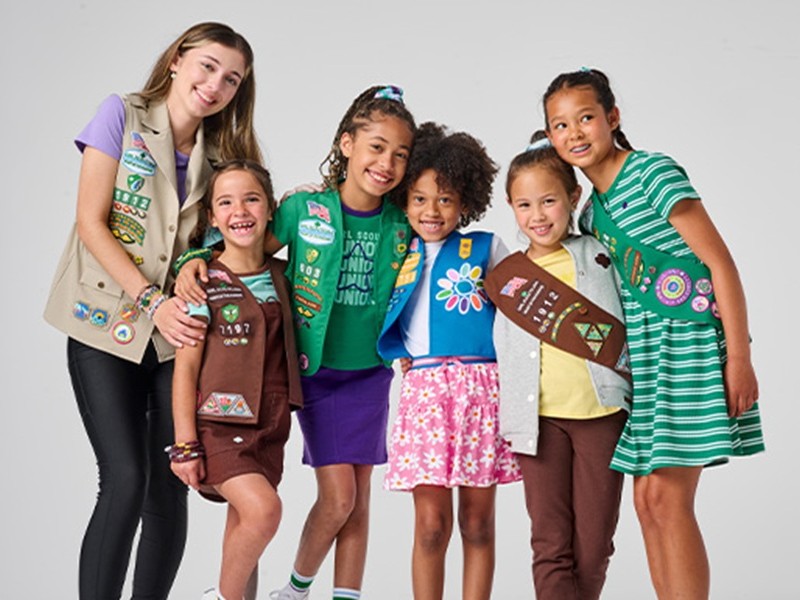
If you lead a Girl Scout troop, needle felting can be a great hands-on way to build toward the skills behind several art, textile, and entrepreneurship badges. Badge names and requirements are updated regularly by Girl Scouts of the USA, so always confirm the current requirements for your grade level in your Volunteer Toolkit before planning a badge activity. With that in mind, here’s how felting can naturally support a troop’s learning:
Juniors (grades 4–5). Designing, shaping, and finishing a small wool sculpture gives girls practice with color, composition, and completing a handmade piece to keep or gift — a good fit alongside drawing, painting, and hands-on art activities.
Cadettes (grades 6–8). Felted embellishments can be added to journals and handmade books, and small felted animals or accessories make popular items for a troop fundraiser — a natural tie-in to creativity-meets-entrepreneurship skills.
Seniors (grades 9–10). Needle felting is a recognized textile art, so it pairs especially well with the Textile Artist badge. Scouts can explore fiber properties, tools, and technique, then create a finished piece that shows real skill.
Because felting is flexible, it meets troops where they are while still giving each girl room to express herself through wool. Confirm the exact badge steps with your council, and use the project as the creative, confidence-building centerpiece.
A Project That Builds Confidence and Creativity
One of the most rewarding parts of needle felting is watching a plain tuft of wool become a little sculpture. Kids see progress quickly, which builds confidence and keeps them engaged. Group leaders often tell us that even children who don’t usually enjoy crafts fall in love with felting because it feels different — tactile, calming, and surprisingly empowering.
Our beginner kits are designed so every young maker can succeed, even a first-timer. With step-by-step instructions and quality wool from our North Dakota flock, the process stays smooth, enjoyable, and frustration-free.
Perfect for Troop Meetings, Classrooms, Camps & Badge Days
Needle felting works beautifully for:
- Troop meetings and multi-troop workshops
- Classroom art and enrichment lessons
- Summer camp and after-school sessions
- Quiet indoor winter activities
Leaders and teachers appreciate that the materials are easy to hand out, the mess is minimal, and the finished results are impressive enough to send home proudly.
How to Run a Needle Felting Activity for Kids (Step-by-Step)
A little planning goes a long way with a group. Here’s a simple, tested framework for running a smooth, safe, and genuinely fun needle felting session, whether you have five kids or twenty-five.
What to prep before the session
- One kit per child, plus one or two spares in case a needle breaks or a piece goes missing.
- A foam or brush felting pad for each child (included in Bear Creek kits) so no one is working on a hard tabletop.
- A finger-protection option for younger or first-time felters, such as leather thimbles or finger guards.
- A printed or projected copy of the instructions, plus your own finished sample so kids can see the goal.
- Good lighting and firm tables, with chairs that let kids sit upright and see their work clearly.
- A small first-aid kit with adhesive bandages within reach.
- A demo station at the front where you can show the basic poke-and-shape motion before anyone starts.
- A finished-work area where kids can set completed pieces without them getting bumped.
Safety notes
Felting needles are sharp and barbed by design, so a few ground rules keep everyone comfortable:
- Demonstrate thestraight up-and-down poking motion and explain that stabbing quickly or at an angle is how fingers get poked.
- Have kids keep their non-felting hand behind or beside the wool, never directly under the needle.
- Remind them to poke slowly and keep eyes on their work; speed comes with practice.
- Store needles point-down in a cork, foam block, or the kit packaging when not in use, and do a needle count at the end so none are left on tables or the floor.
- Match the activity to the age group (see recommended kits by age below) and keep an adult-to-child ratio that lets you circulate and help.
- Small pokes happen even with careful felters; a bandage and a quick reset are usually all that’s needed.
Time estimates
- Setup and demo: 10 to 15 minutes
- Guided felting time: 45 to 75 minutes, depending on age and project
- Wrap-up, cleanup, and needle count: 10 minutes
- Total session: about 60 to 90 minutes, which fits most beginner kits in one meeting. More detailed projects can be split across two meetings.
Group management tips
- Demo first, then hand out needles. Walk through the motion with wool in hand before anyone gets a sharp tool, so attention is on you, not their kit.
- Work in small pods. Groups of four to six at a table make it easy to circulate and help without a line forming.
- Recruit a helper for every six to eight kids. An extra adult or teen helper keeps the pace steady and covers restroom breaks.
- Set a calm tone. Felting is quiet, focused work; soft background music helps kids settle in.
- Celebrate progress out loud. Pointing out a nicely shaped head or blended color keeps momentum and confidence up.
- Build in a five-minute buffer near the end so no one feels rushed at the finish, which is when frustration usually shows up.
Recommended kits by age
- Ages 7 to 9 (with adult help): Start with the easiest shapes. The Snowman kit is the simplest entry point, followed by the Sheep kit. Pair each young felter with a helper nearby.
- Ages 10 to 12: Most kids this age work well independently on beginner kits like the Pumpkin, Penguin, or Bear kit after the group demo.
- Ages 13 and up (including older scouts and leaders): Confident makers can take on advanced-beginner projects such as the Hippo kit, or explore more detailed animals once they’ve finished a first piece.
Not sure where a particular child lands? Our guide on the best age for a child to start needle felting breaks it down in more detail.
Why Bear Creek Felting Kits Are Ideal for Young Makers
Our kits are built with young makers in mind:
- Wool raised on our North Dakota farm — traceable, natural, and high quality
- Clear, beginner-friendly instructions — written so first-timers can follow along
- Projects that fit one or two meetings — no half-finished frustration
- Finished pieces kids are proud of — from simple shapes to adorable animals
From easy starter projects to sweet little animals, there’s a kit for every age and skill level. If you’re brand new to the craft yourself, our How to Needle Felt: A Beginner’s Guide walks you through the basics before your first session.
Ordering Kits for a Whole Group
Planning felting for eight, twelve, or twenty kids at once? We make group ordering simple. Our beginner kits come with everything each child needs, so you can order one kit per maker and know the whole troop or classroom is set. For larger orders and troop, school, or camp pricing, reach out about wholesale and bulk options and we’ll help you choose the right project for your group’s age range and time frame.

Inspiring the Next Generation of Makers
The heart of Bear Creek Felting began with a simple dream. Years ago, Teresa Perleberg’s daughter, Lily, wanted to learn to felt animals from the wool raised on their North Dakota farm. Teresa picked up a felting needle to teach her — and that moment changed everything. What began as a mother-daughter project grew into a thriving creative business, a global community of makers, and a lifelong mission to keep the art of wool sculpture alive.
Today Teresa is an artist, an entrepreneur, and a mentor who loves sharing her journey with young creators. That’s why she offers presentations for troops, classrooms, and youth groups who want to learn more about needle felting, entrepreneurship, and the courage it takes to build something from the ground up.
If your group is near her North Dakota farm, Teresa is happy to arrange an in-person presentation. For groups anywhere else, she also offers an online, YouTube-based presentation where kids can hear her story, ask questions, and see behind the scenes of her creative process.
Leaders and teachers who’d like to schedule a presentation — in person or online — are warmly invited to reach out.
Want to keep exploring after the project? Older kids and adult leaders who catch the felting bug can go further with Teresa’s Online Needle Felting Academy, where step-by-step video courses teach more advanced sculptures and techniques.
Other Articles You May Enjoy:
Frequently Asked Questions about Needle Felting Kits
How difficult are your needle felting kits?
Needle Felting Kits:
In order of difficulty:
1. Snowman kit (Beginner)
2. Sheep kits
3. Pumpkin Kit
4. Penguin Kit
5. Bear Kit
6. Hippo Kit (Advanced Beginner)
7. Chicken Kits
8. Turkey Kit
9. Dragon Kit
10. Mouse Kit
11. Bunny Kit
What age can start needle felting?
How much time does a project take?
Can I order enough kits for my whole troop or class?
Do you offer more advanced courses for leaders or older kids?
Learn to Needle Felt the Easy Way!


Join the Bear Creek Needle Felting Academy today!

