
Needle Felting 101

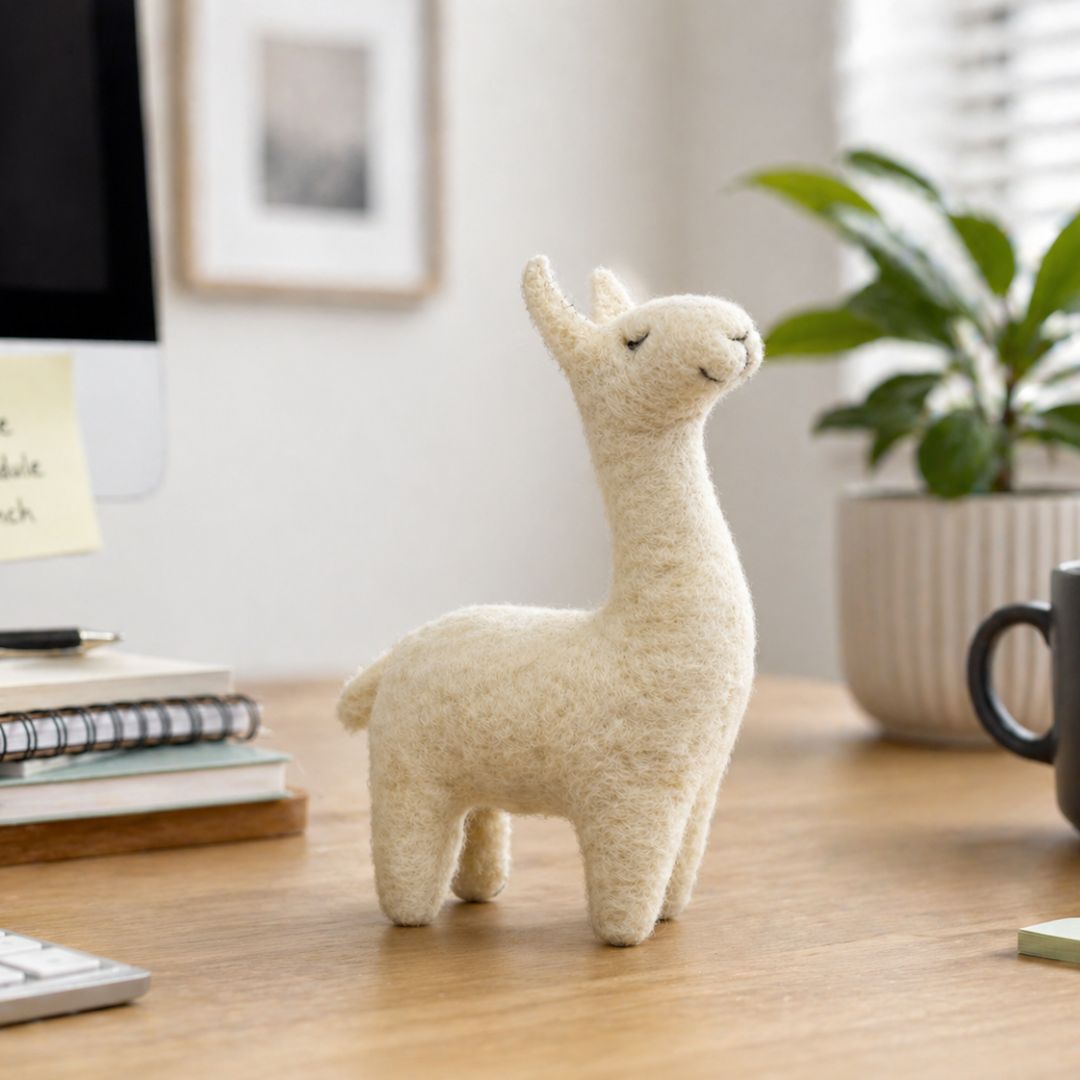
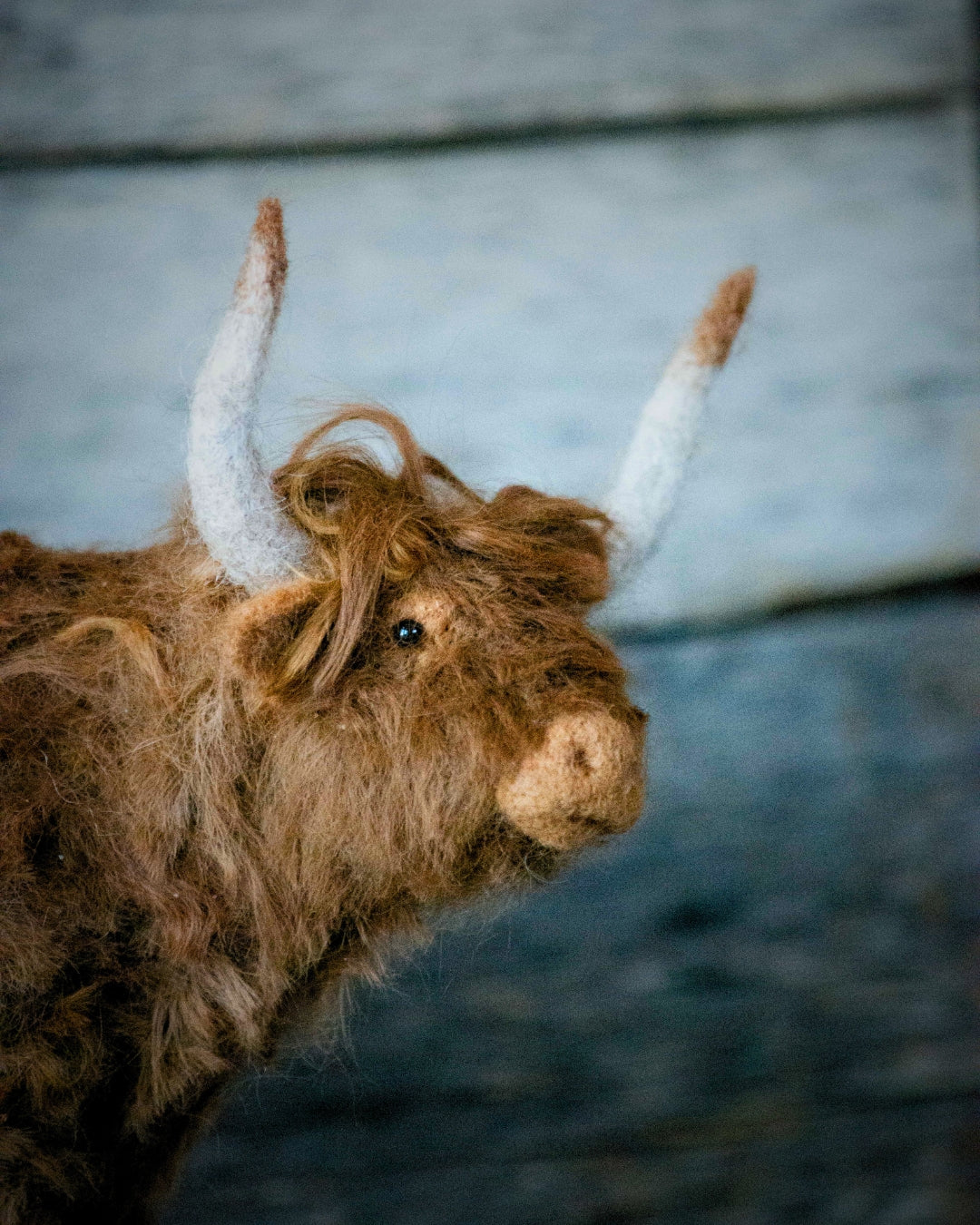
Needle felting is a craft that uses specially designed notched needles to sculpt wool into shapes and designs.
The notches on the needles tangle the wool fibers, causing them to interlock and form firm structures. This versatile craft allows you to create anything from simple 2D flat pieces to intricate 3D sculptures. If you’re new to needle felting, it’s important to use high-quality wool that felts easily and stays firm, especially for beginners.
What Do I Need to Start Needle Felting?
Ready to get started? Our beginner kits have everything you need.

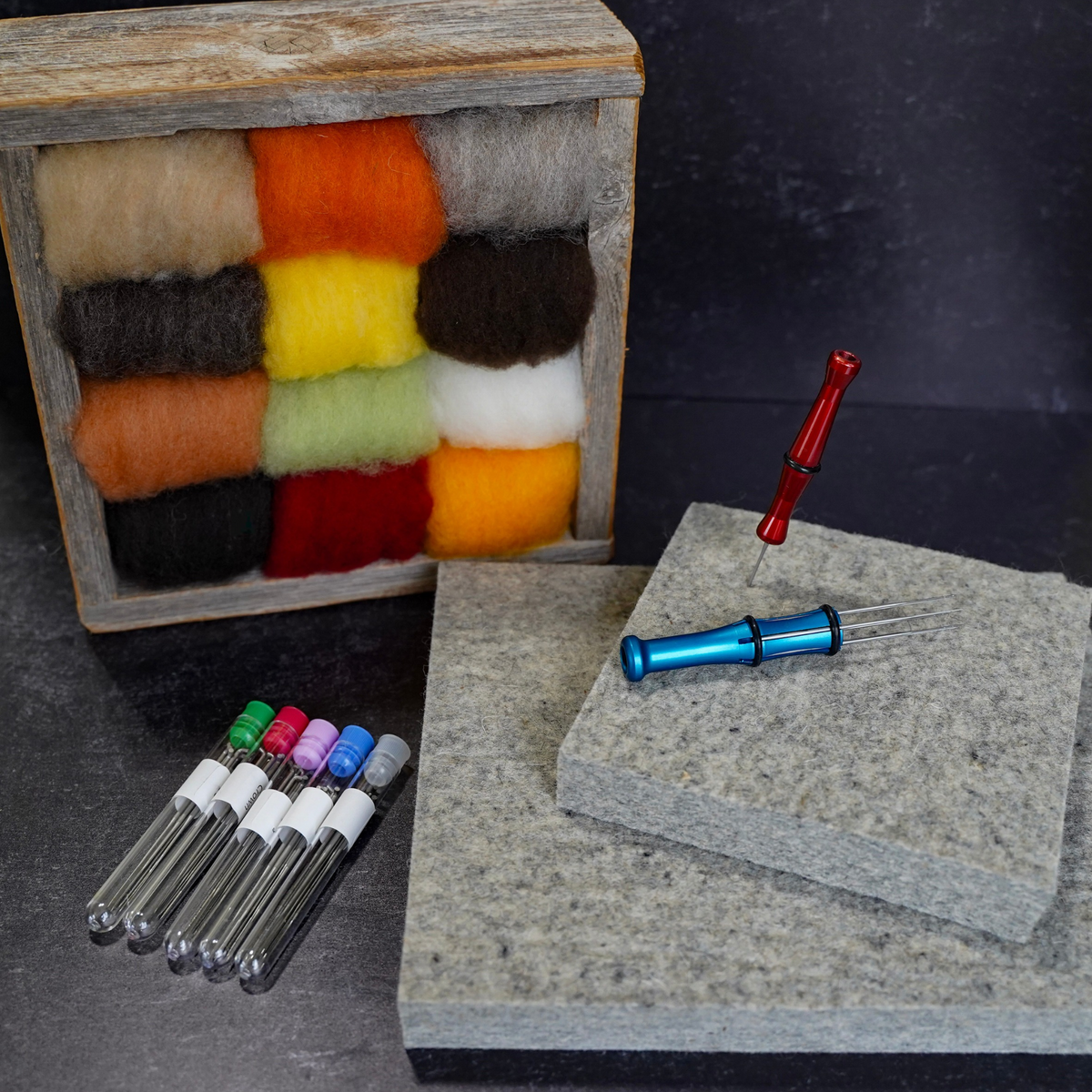
1. Wool
All wool felts differently and some doesn’t felt at all, learn more about wool for felting here.

2. Felting Needles
These come in various sizes and shapes for different types of wool and different steps in the creation process.

3. A Cushion or Pad
4. Optional Extras
Needle holders for comfort, Multi tools for speed, glass eyes and wire. Starter kits are an excellent way to begin, as they provide all the essential materials and guidance for your first project.
Beginners, start here.


Is Needle Felting Hard to Learn?


 Beginner Friendly
 Beginner Friendly
Not at all! Needle felting is beginner-friendly, and many find the repetitive motions relaxing. The learning curve involves mastering basic shapes and understanding how different wool types behave. With practice, you can create more detailed and complex designs. (More on this topic)
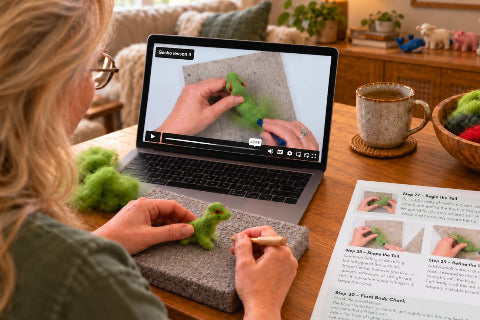
Beginner kits with step-by-step instructions can help you gain confidence as you start.

 Time Commitment
 Time Commitment
The time required depends on project’s size and complexity:
- Small Projects (1-3 hours): Simple shapes, like ornaments or basic animals
- Medium Projects (4-8 hours): More detailed creations, like lorem ipsum and dolor sit
- Large or Complex Projects (2+ days): Intricate sculptures with multiple parts
Needle Felting requires patience and enjoying the process, it is not a quickly completed craft. Using wool with superior felting qualities can speed up the process and result in better-defined details.

 Caring for Projects
 Caring for Projects
Needle-felted items are durable but delicate:
- Avoid heavy handling to prevent deformation.
- Dust gently with a soft brush.
- Keep away from pets, as wool can be irresistible to them!
If your project loses its shape, a little touch-up with a needle can help restore it.

Absolute Beginner? Start Here.

Needle Felting Academy
No matter where you are in your needle felting journey, if you aspire to create awe-inspiring sculptures that exude character and personality, then the Bear Creek Needle Felting Academy is the perfect fit for you.
Within the Academy, you’ll find exclusive access to unparalleled training, unwavering support, constructive feedback, and valuable advice. These invaluable resources will empower you to elevate your needle felting to new heights, surpassing your current abilities and achieving remarkable results.

Pasture to Product
Great needle felting starts with great wool! Since 2005, I've been selectively breeding sheep on our North Dakota farm for wool that felts easily and holds its shape.
We wash, dye, and card our wool at our own fiber mill in Fort Ransom, carefully preparing it for your creative projects.
Quality wool makes learning easier, so you can spend less time struggling with your materials and more time enjoying needle felting!
Your Needle Felting Questions, Answered
I always recommend starting with something simple that teaches you how to shape and firm up wool.
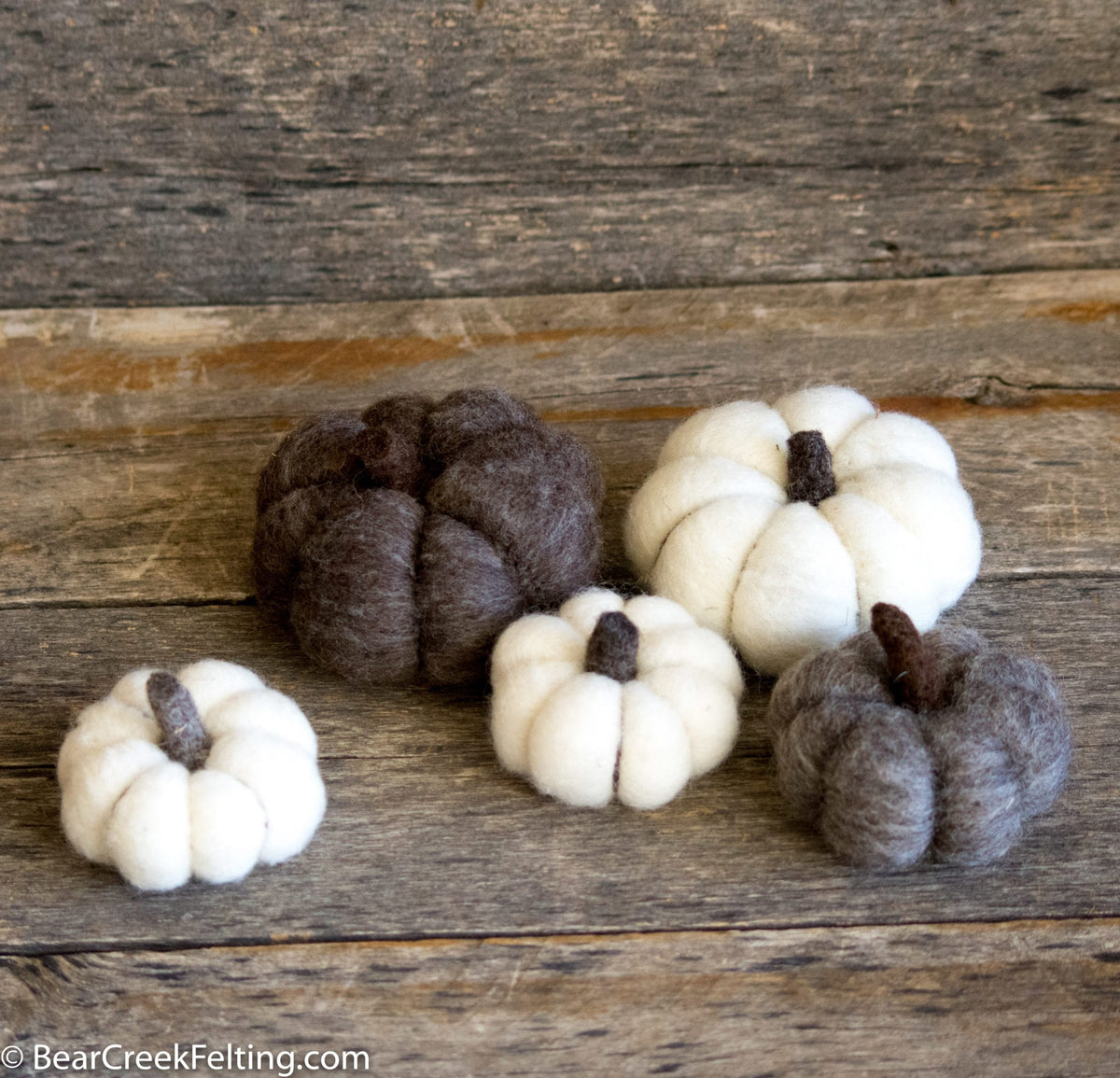
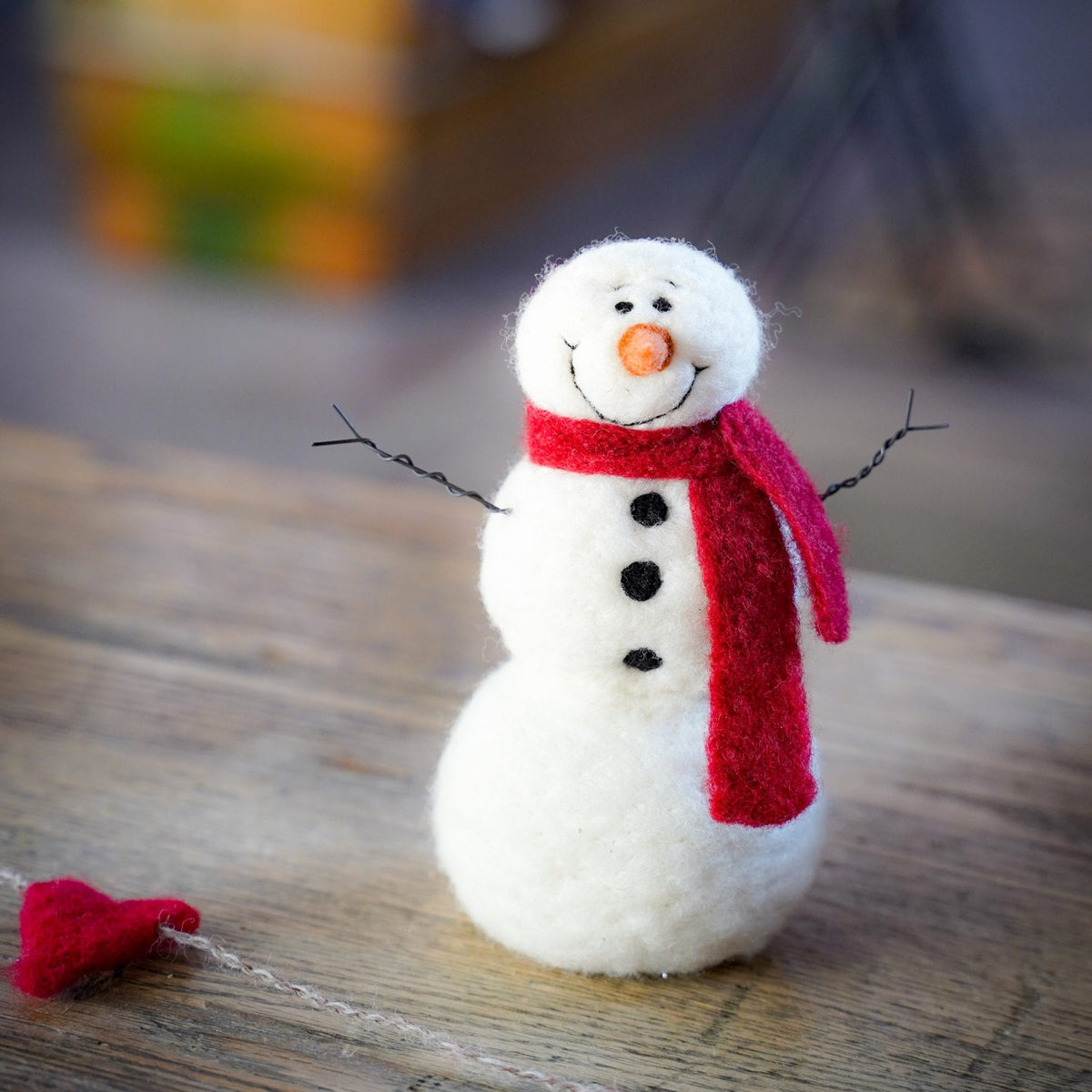
My Snowman, Pumpkin, and Penguin kits are wonderful first projects. They're designed to help you learn the fundamentals while creating something you'll be proud to display.
Once you're comfortable with the basics, you can move on to more detailed animals and sculptures.
This is one of the most important things to understand when you're starting out!
Not all wool felts the same way. Some wool tangles together quickly and holds its shape beautifully, while other types can be frustrating to work with.
I've spent years selectively breeding sheep for wool with excellent felting qualities. The wool we prepare at Bear Creek Felting is especially well suited for sculpting three-dimensional animals because it firms up and holds details beautifully.
Felting needles come in different sizes and shapes, and each has its own purpose.
For most of my sculptural projects, I recommend starting with a 36 Star needle. It's the needle I use most often for shaping and firming up wool.
As you develop your skills, you may want to experiment with finer needles for adding details and smoothing surfaces.
Don't feel like you need a large collection of needles to get started!
This is one of the questions I hear most often from beginners!
When you're building the main shapes of a sculpture, the wool should become firm enough to hold its shape without easily squishing or changing form.
Think of the difference between a soft marshmallow and a firm rubber ball. For many structural parts, you're working toward something closer to that firm rubber ball.
The amount of firmness needed depends on the part you're creating. Some details need to remain softer so they can be attached or shaped later.
Learning to recognize the right firmness is one of the most valuable skills you'll develop.
If you're poking and poking but your wool doesn't seem to be getting firmer, don't get discouraged!
Sometimes the problem is the type of wool you're using. Some fibers are much more difficult to felt than others.
Your needle choice and technique can also make a difference.
Try working with smaller amounts of wool, using a needle suited to your fiber, and making sure you're working through the wool rather than just poking the surface.
Good wool and the right technique can make needle felting so much more enjoyable!
Absolutely! That's one of my favorite things about needle felting.
Unlike some crafts, needle felting is very forgiving. You can add more wool, change a shape, adjust proportions, and even remove or reposition parts when something doesn't look quite right.
I always encourage my students not to worry about making everything perfect the first time.
Sometimes the best learning happens when you figure out how to make an adjustment!
My Complete Needle Felting Kits include the wool, felting needles, cushion, and step-by-step instructions needed to create your project.
If you already have felting tools, many of my kits are also available without needles and a cushion.
Be sure to check the option you're selecting so you know exactly what's included.
I design my instructions to guide you through the process, with photographs to help you understand each step.
Once you've learned the basics, there's so much more to explore!
My Bear Creek Needle Felting Academy offers an extensive library of video tutorials covering everything from beginner techniques to detailed animal sculptures.
You'll find projects that build on the skills you've already learned, along with a welcoming community of people who share your love of needle felting.
You can learn at your own pace, revisit lessons whenever you need to, and continue developing your skills as long as you're a member.