
Farm Grown Artist: I Didn’t Know I Was Becoming One

“Have you always been an artist?”
I’ve been asked that question many times, and for years I never really knew how to answer it.
My usual response was something like:
“Well, I liked to color when I was little.”
That generally got a laugh, but it was also pretty accurate.
I didn’t grow up taking art lessons. I wasn’t the child everyone pointed to and said, “She’s going to be an artist someday.” I tried drawing when I was younger, but I didn’t think I was very good at it and eventually gave up.
I went to a small school where art wasn’t even an option in high school.
My senior year, I did take a graphic arts class at a vocational school, and for a while I planned to study Graphic Arts in college. Then, at the last minute, I completely changed direction and earned my degree in Parks and Recreation instead.
For years after that, I wouldn't have described myself as artistic.
Looking back now, though, I think the artist was there all along.
I just hadn't found the right medium yet.

Growing Up on a North Dakota Farm
I grew up on a farm in southeastern North Dakota surrounded by cattle, pigs, sheep, chickens, horses, cats, a dog—and plenty of grain fields.
The animals were always my favorite part.
Farm life meant work, of course. I raked hay, helped with bales, drove grain truck, rounded up cattle on horseback, and did whatever else needed doing.
When I was nine, I joined 4-H and began showing cattle with my family.
None of that felt like art training.
But now I realize I was learning to look closely.
I Was Always Studying Animals
Long before digital cameras made it easy to take hundreds of pictures, I was filling rolls of film with animals.
Cats.
Sheep.
Cattle.
Whatever happened to look especially interesting to me that day.
Then I would wait for the film to be developed and carefully put the photos into albums—blurry pictures and all.
There might be a few photographs of friends and family mixed in, but mostly there were animals.
Apparently I had my priorities.
I still love photographing animals today, so that part of me never changed.
What I didn't understand back then was that I was studying them.
Their expressions.
The way they stood.
Their proportions.
Their personalities.
The tiny differences that made one animal look completely different from another.

Drawing Wasn't My Medium
I did try drawing animals.
I wanted very badly to be able to reproduce what I saw, but drawing never felt natural to me.
Since I couldn't make things look the way I wanted on paper, I assumed that meant I wasn't an artist.
That idea stuck with me for years.
I wish I had understood then what I know now:
Not every artist works with paint or pencil.
Sometimes you haven't failed at art.
You simply haven't found the material that makes sense to your hands yet.
For me, that material would eventually be wool.
Even My Stuffed Animals Were Trying to Tell Me Something
There was another clue that makes much more sense in hindsight.
I loved stuffed animals.
Probably longer than I should admit.
My bed was covered with them, and in my imagination they all had personalities. They needed to be comfortable. They had feelings. And I was very particular about which ones I liked.
I didn't want an animal that looked strange or expressionless.
I wanted realistic features.
I wanted a face with personality.
If I found a stuffed animal that passed my inspection, I had to have it.
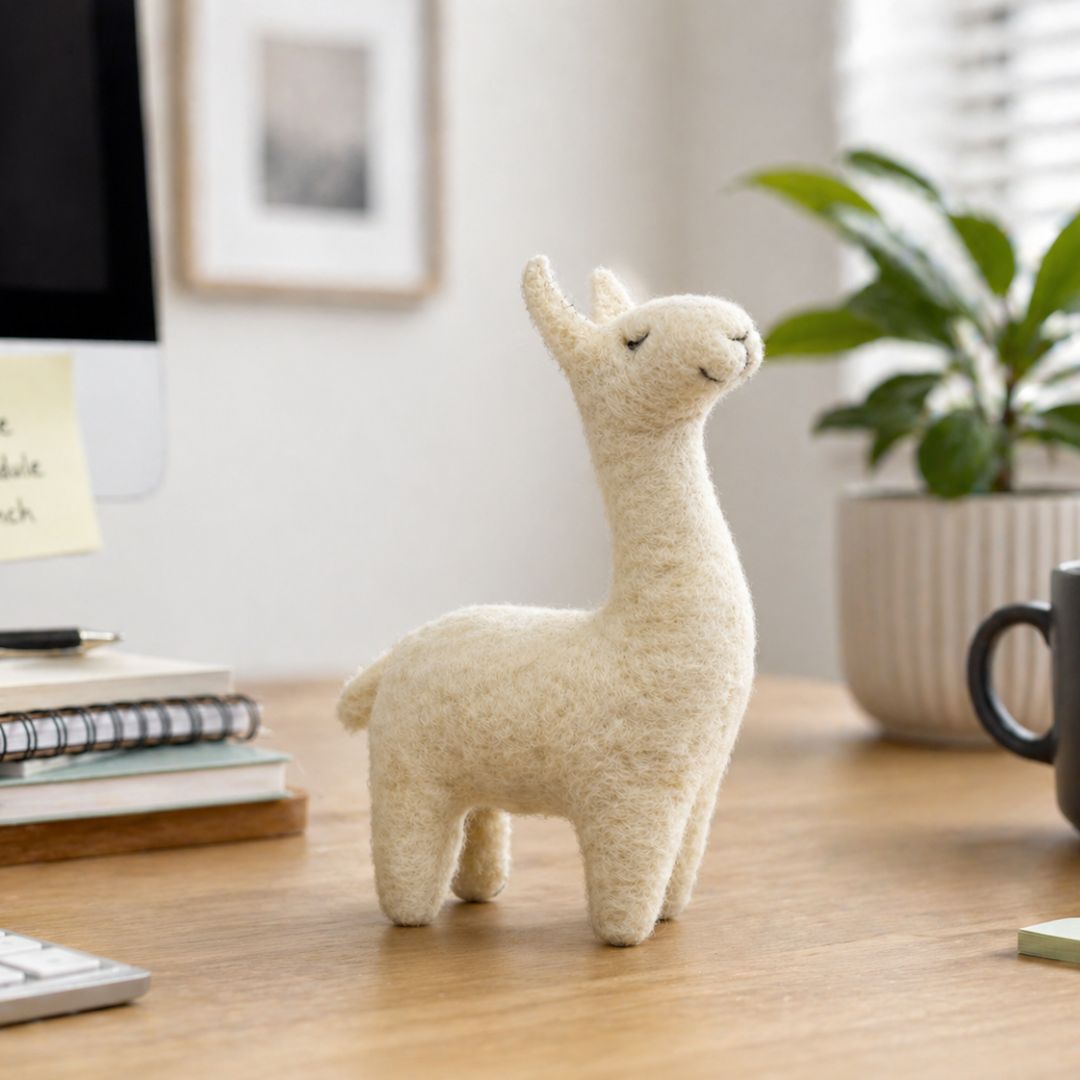
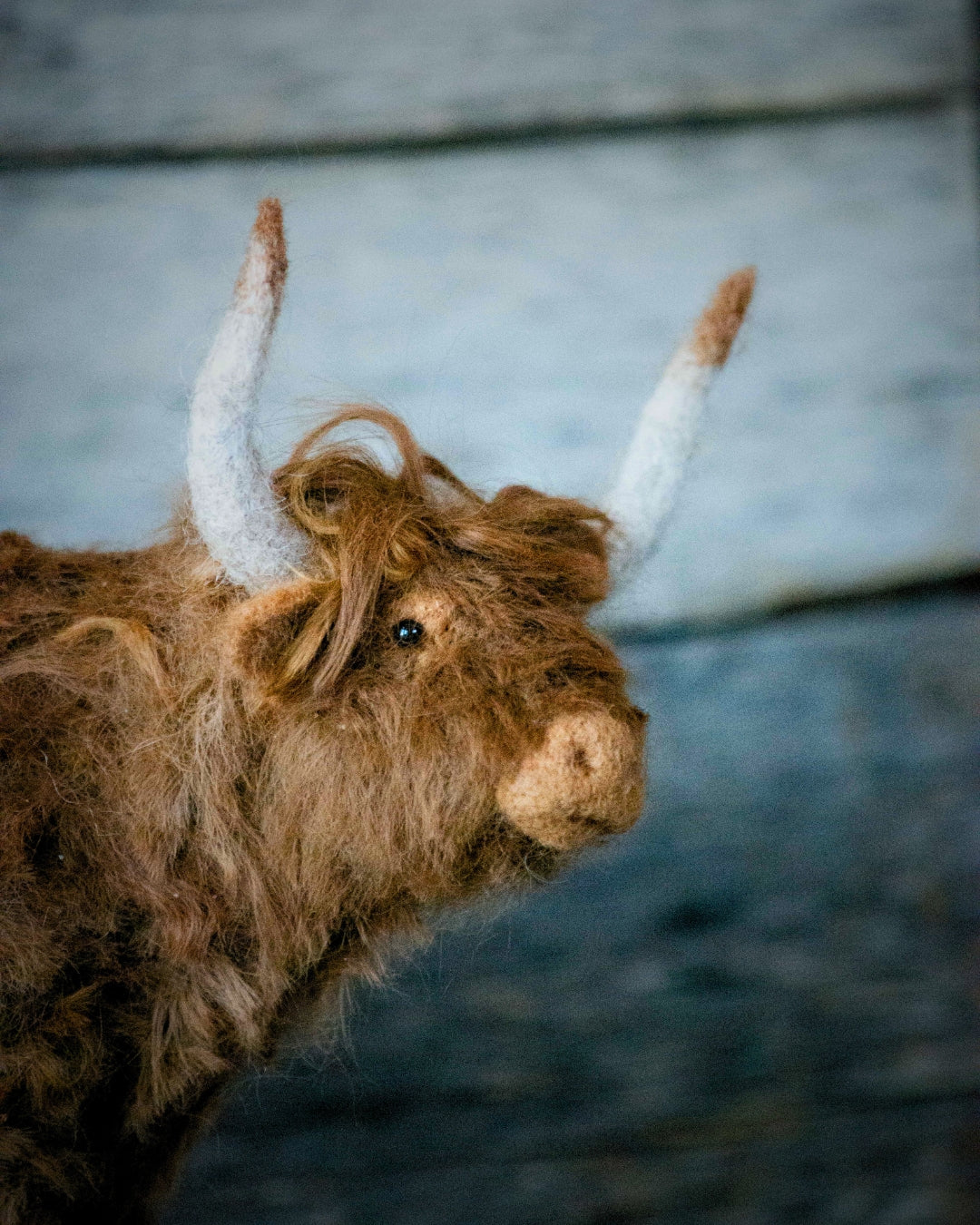
Now I look at the needle felted animals I create and laugh a little.
Apparently I've been critiquing animal sculpture since childhood.
The Artist Was Developing Anyway
I wasn't studying composition or sculpture.
I wasn't taking anatomy classes.
I wasn't practicing drawing every day.
But I was observing.
I was noticing.
I was learning what made an animal beautiful to me and what made a face feel alive.
Farm life, photography, livestock shows, animals, and even that enormous stuffed-animal collection were quietly shaping the way I saw things.
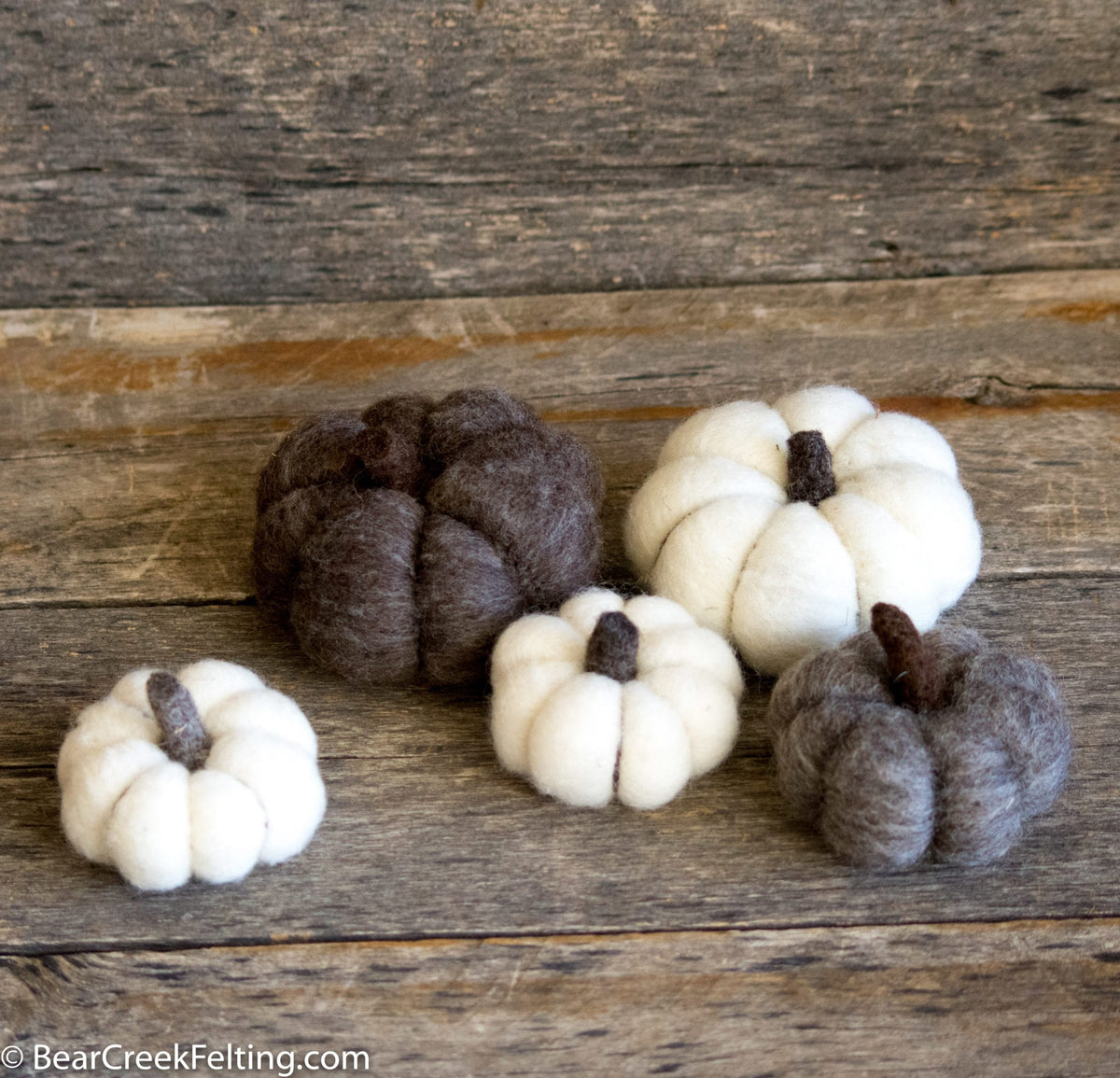
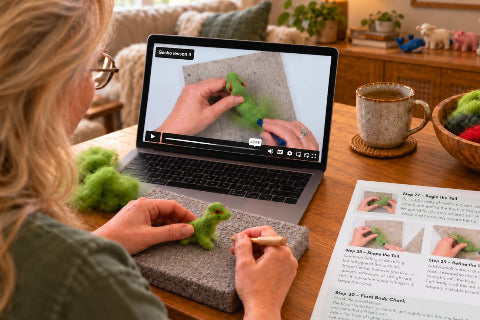
Years later, when I finally picked up wool and a felting needle, something clicked.
Suddenly I had a material I could shape in three dimensions.
I didn't have to draw the animal.
I could build it.
And all those years of looking closely at animals finally had somewhere to go.
You May Be More Creative Than You Think
That is probably the biggest thing I take from this part of my story.
For a long time, I didn't think I was artistic because I couldn't draw particularly well.
I had defined “artist” much too narrowly.
Creativity can show up in all kinds of places long before we recognize it.
Maybe you're a gardener who understands color.
Maybe you decorate cakes.
Maybe you sew, photograph, arrange flowers, restore furniture, or notice details that other people miss.
Sometimes the ability is already there.
You just haven't found the medium that lets you use it yet.
I found mine in wool.
And I certainly never imagined that the farm where I grew up would turn out to be one of my earliest art classrooms.
Next in my story: How Homeschooling Helped Me Find My Creative Niche — the next step that eventually led me toward fiber arts and Bear Creek Felting.
Lorem ipsum dolor sit amet, consectetur adipiscing elit, sed do eiusmod tempor incididunt ut.


