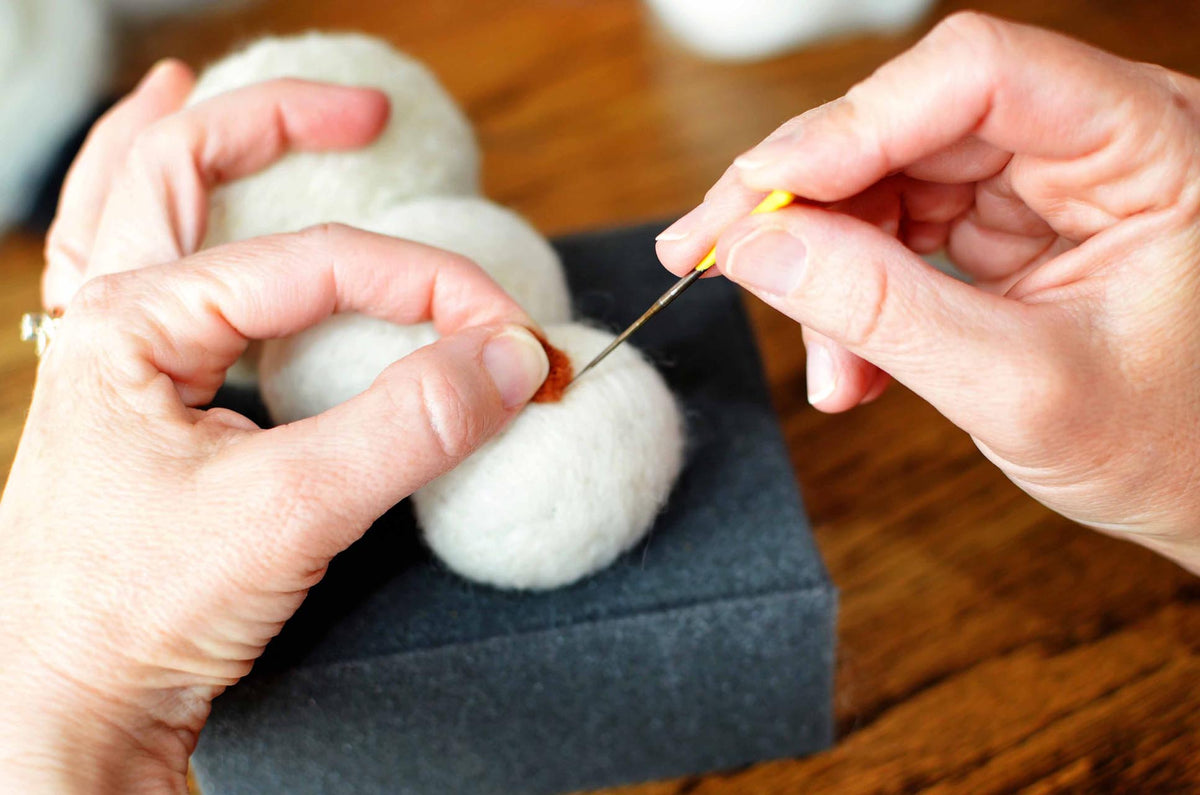
Successful Needle Felting Projects for Beginners
Best Needle Felting Projects for Beginners: How to Choose Your First Project
When I first learned to needle felt, I mostly taught myself through trial and error.
My daughter had been shown the basics and given some felting needles, wool, and a work surface. I picked up a needle myself, started experimenting, and gradually developed my own techniques.
There weren’t nearly as many beginner kits, videos, and tutorials available then as there are today.
If I were learning all over again, I would make one change:
I would start with a simple, well-designed project instead of trying to figure everything out at once.

What Do You Need to Start Needle Felting?
The basic supplies are surprisingly simple:
- Wool that is suitable for needle felting
- Felting needles
- A felting pad or work surface
- A simple project idea
That really is enough to begin.
But the quality of those supplies—and the project you choose—can make a huge difference in your first experience.
A beginning needle felter shouldn't have to wonder whether the wool is difficult, the needle is wrong, or the instructions skipped an important step.
You should be able to concentrate on learning how the wool responds beneath your needle.

Start With Simple Shapes
One of the easiest ways to set yourself up for success is to choose a project built from basic shapes.
Think:
Balls. Ovals. Simple cylinders.
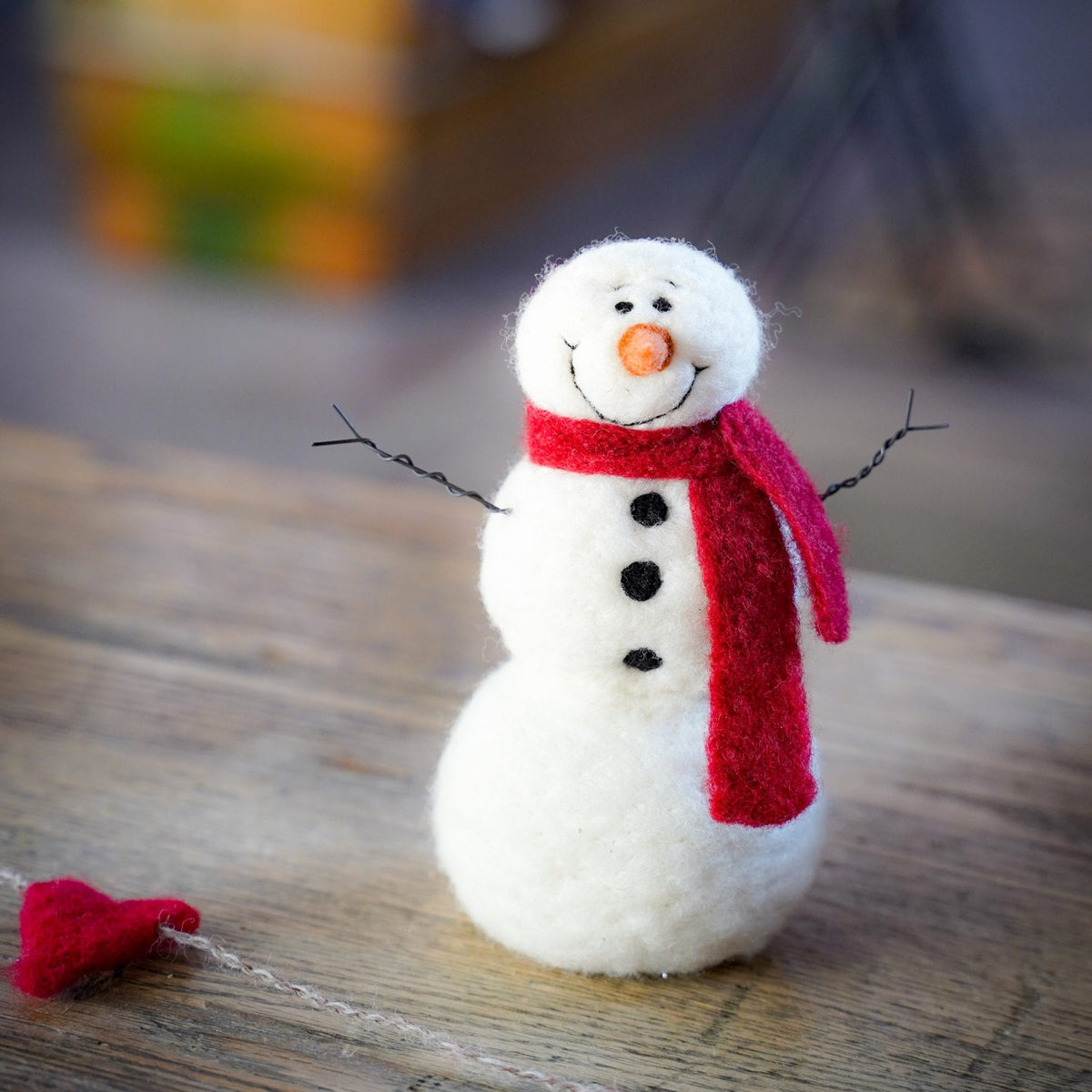
A snowman is a perfect example.
You can learn how to form and firm a round shape, attach pieces together, add a surface layer, and finish small details without worrying about complicated anatomy.
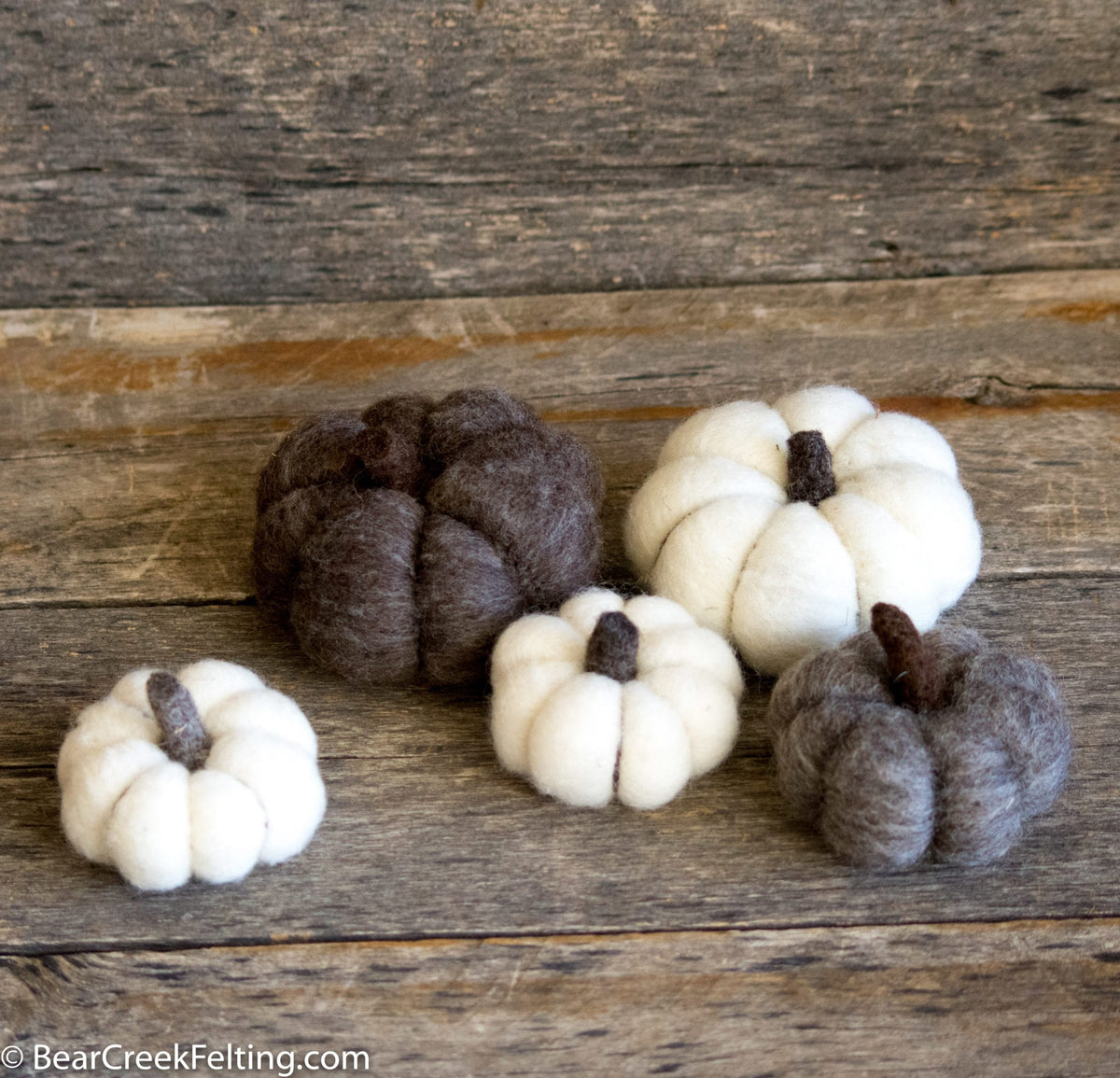
Pumpkins are another good beginner project because the basic form is simple while still giving you the opportunity to learn shaping and surface detail.
You don't have to begin with the easiest possible object, though.
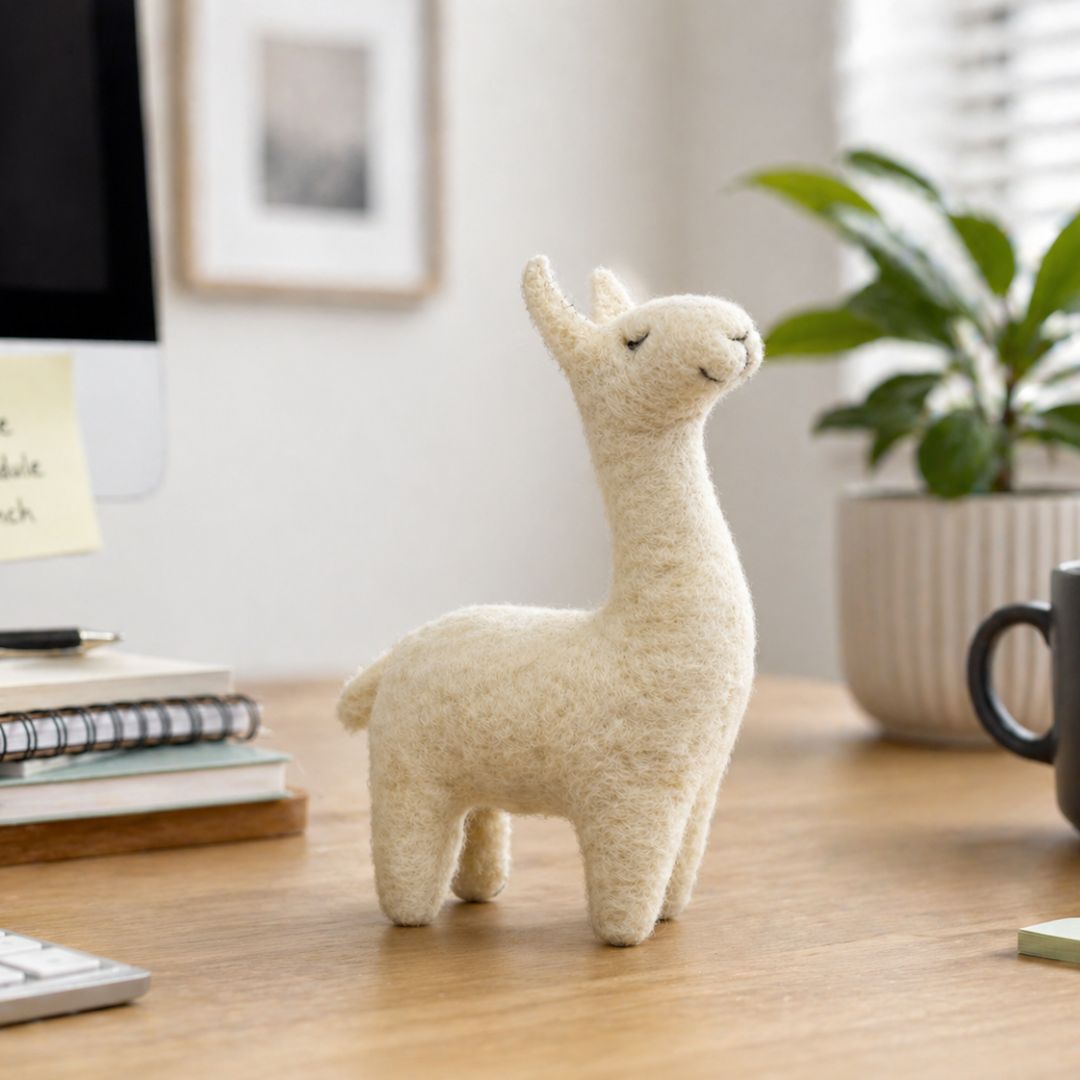
If what really excites you is making an animal, make an animal.
Interest is important too.

Choose a Project You Actually Want to Make
A technically simple project isn't very helpful if you have no interest in finishing it.
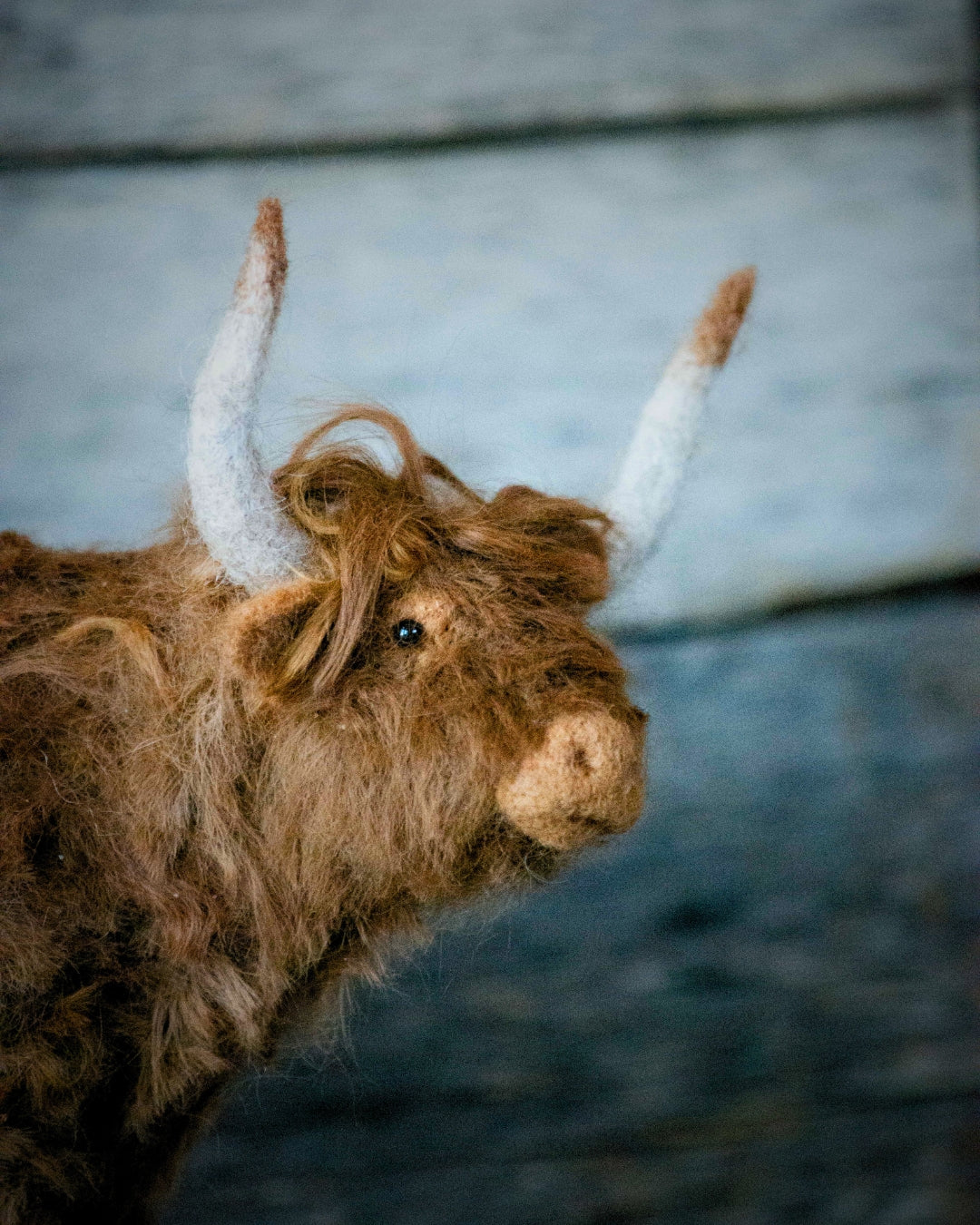
One of the things I love about needle felting is watching a recognizable character or animal slowly appear from a pile of wool.
If sheep make you happy, make a sheep.
If you love penguins, start with a penguin.
If you're excited about your project, you're much more likely to stick with it while learning the repetitive part of felting and firming the wool.
Your first sculpture doesn't have to be perfect.
The goal of a first project is to learn.
The Right Wool Makes a Big Difference
This is something I didn't fully appreciate when I began.
Not all wool behaves the same way under a felting needle.
Different breeds, individual fleeces, and fiber preparations can all behave differently.
Some wool grabs quickly and firms beautifully.
Other wool may require considerably more work.
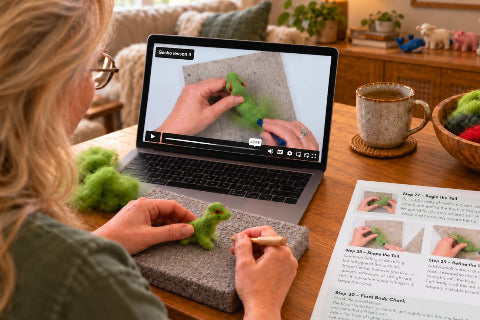
That's one reason a beginner kit can be helpful. The wool, needle, and project have already been chosen to work together.
The wool I use in Bear Creek Felting kits comes from the kind of wool I use for my own sculptural felting. I want beginners learning with fiber that responds well rather than wondering why they have been poking the same spot forever and nothing seems to be happening.

A Structured Project Can Make Learning Easier
Lorem ipsum dolor sit amet, consectetur adipiscing elit, sed do eiusmod tempor incididunt ut.