
Working with Alpaca Fiber in Your Needle Felting
Can You Needle Felt With Alpaca? Tips for Working With Alpaca Fiber
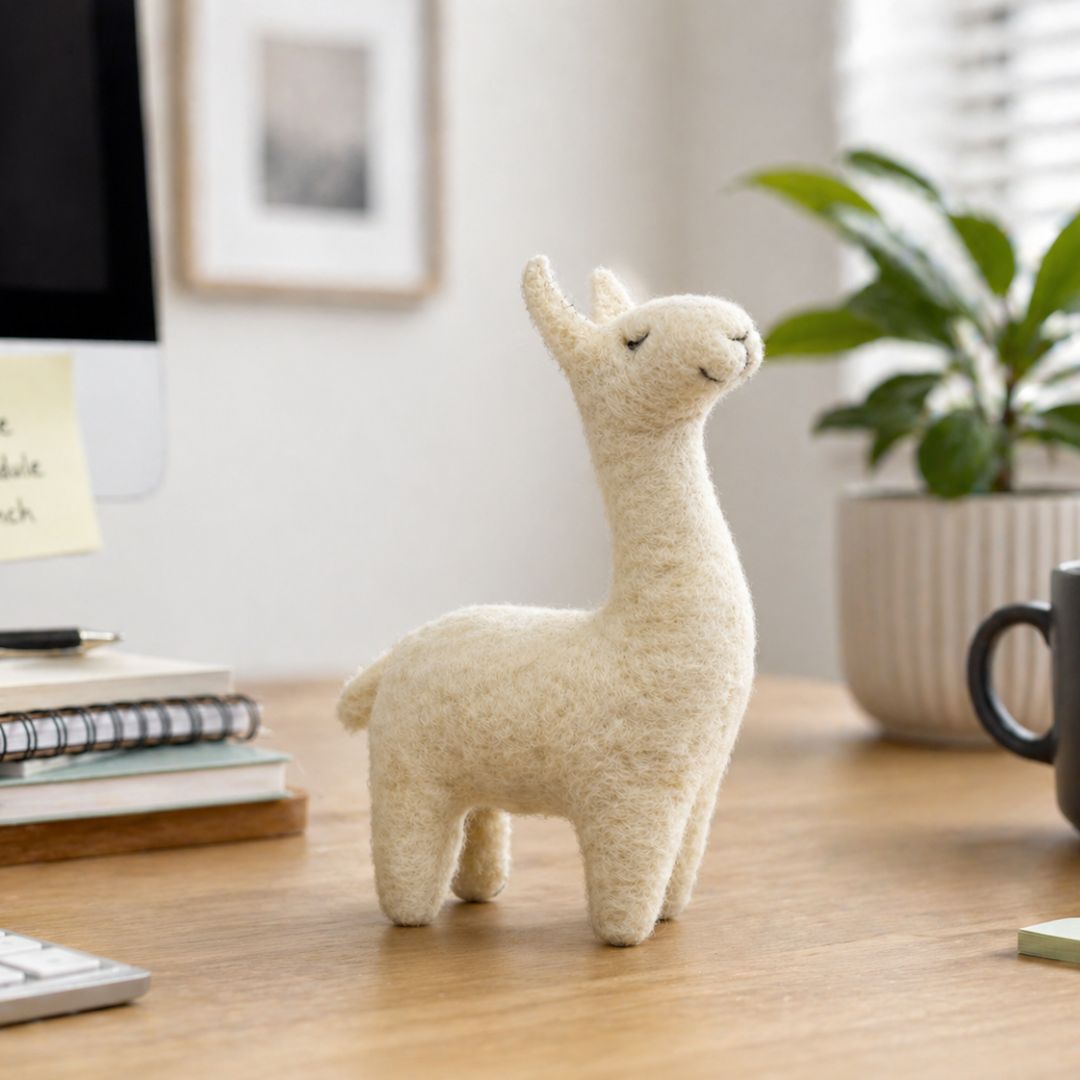
If you normally needle felt with sheep’s wool, working with alpaca can be a fun change.
The fibers feel different in your hands, behave differently under the needle, and can add wonderful texture to a finished sculpture. But alpaca isn’t simply a softer substitute for wool. Understanding those differences will make it much easier to use successfully.
So, can you needle felt with alpaca?
Yes—but I usually think of alpaca as a specialty fiber rather than my first choice for building an entire three-dimensional sculpture.
Alpaca Fiber Behaves Differently From Sheep’s Wool
Most of my needle felting is done with wool from our own sheep here in North Dakota.
I like wool with enough structure and texture to grab onto itself readily under the felting needle. That helps me build firm shapes and detailed sculptures.
Alpaca fiber tends to be smoother, with less crimp than many sheep wools. Because of that, the fibers may not lock together as quickly or become as firm under the needle.
That doesn’t mean you can’t needle felt it.
It just means you may need to change the way you use it.
Where Alpaca Really Shines
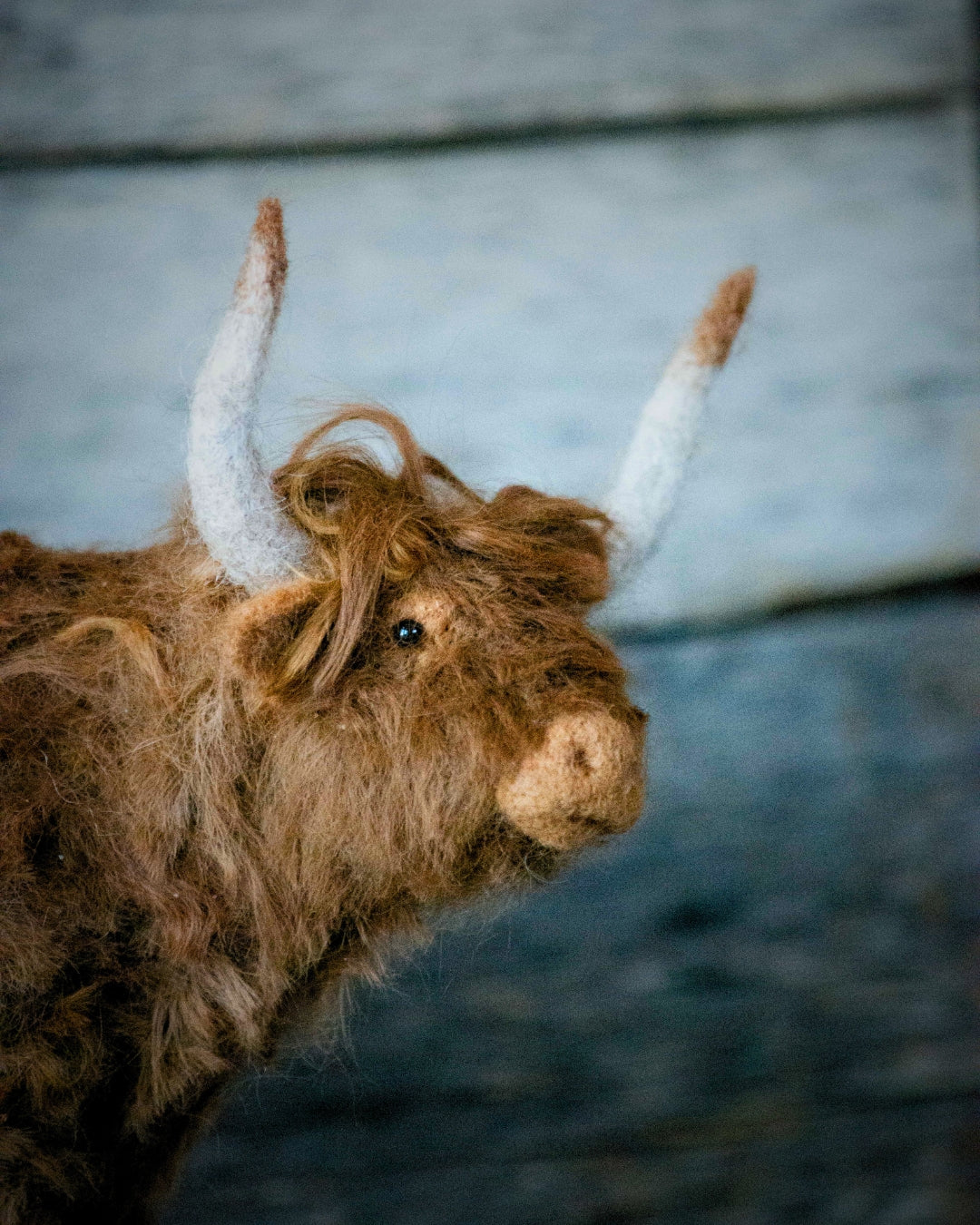
One of my favorite uses for alpaca is surface texture and hair.
Its softness and drape can be beautiful for:
- Long animal coats
- Manes and tails
- Facial hair
- Tufts and wispy details
- Soft surface layers
- Blending subtle colors and textures
Instead of building an entire sculpture from alpaca, I often prefer using a firmer sheep’s wool for the main shape and then adding alpaca where I want that particular look.
That gives me the structure I need underneath while still getting the beautiful texture of the alpaca on the surface.
Why Doesn't Alpaca Felt Exactly Like Wool?
Animal fibers aren't all built alike.
Sheep wool generally has overlapping microscopic scales and natural crimp that help the fibers catch and hold together.
Alpaca fiber also has a scaled surface, but it tends to be smoother and usually has less crimp. That can make it feel wonderfully soft—but it may also take more work to get the fibers to hold firmly in a sculptural needle-felted project.
This is one reason changing fiber can make such a noticeable difference in your results.
If you've ever wondered why one wool felts quickly while another seems to stay soft forever, the characteristics of the fiber itself are part of the answer.
Can You Blend Alpaca With Sheep's Wool?
Absolutely.
Blending can be one of the easiest ways to enjoy alpaca in needle felting.
You can combine alpaca with wool to add softness, color, or texture while still benefiting from the felting properties of the sheep's wool.
How much you use depends on the result you're trying to achieve, so this is a great place to experiment.
Make a few small samples before committing to a large sculpture. See how the fiber responds to your needle and how firm you can make it.
Testing fibers is part of the fun.
Does Alpaca Contain Lanolin?
Alpaca does not produce the same lanolin-rich fleece that sheep do, which is one reason alpaca fiber often feels different before and after processing.
You may sometimes see alpaca advertised as “hypoallergenic,” but I would be careful with that description. People can be sensitive to many things associated with animal fibers, so I wouldn't assume that alpaca will work for everyone with wool sensitivities.
For needle felting, the more useful thing to know is simply that alpaca and sheep wool are different fibers and should be expected to behave differently.
What Type of Fiber Is Best for Needle Felting?
There isn't one perfect fiber for every purpose.
For building firm three-dimensional sculptures, I prefer the wool from our flock because I know exactly how it behaves under my needle.
Much of our flock has a Romney foundation, along with other breeds and crosses chosen in part for the qualities I want in our felting wool. Because I raise the sheep, process the fiber, and then felt with it myself, I can evaluate those decisions from pasture all the way to the finished sculpture.
But specialty fibers such as alpaca can be wonderful additions when you want a specific texture or effect.
The trick is knowing what job you want the fiber to do.
Experiment With Your Fiber
One of the best ways to learn about wool and other fibers is simply to use them.
Take a small amount of alpaca and felt it by itself.
Then try it blended with sheep's wool.
Use it as a surface coat over a firm wool sculpture.
Pay attention to how easily it grabs, how much it compresses, and what kind of finished surface you get.
Those experiments will teach you far more than simply reading a fiber label.
And you may discover a completely new way to use alpaca in your next project.

