
Know Your Wool: Working With Romney
From Merino and Cashmere to Cormo and Wensleydales, there are so many different types of wool for us to choose from. However, not all fleeces are ideal for every project.
You might think I’m a little biased, considering I raise Romney sheep, but felters all over the globe would agree, this type of wool is optimal for crafting! Romney is the go-to for many crafters because of its durable, yet soft texture. You’ll even find it weaved into your favorite winter scarf or pair of hiking socks.
If you’re wondering how you’re going to pick wool for your next craft, when there are loads of varieties on the market, you’re going to want to read on to understand why Romney is a safe bet. You don’t have to be a rancher to see the Romney difference!
A Brief History
Romney sheep thrive in all kinds of environments which makes them a mainstay in farming communities around the globe. The original Romney marsh sheep is one of the oldest known breeds. It lived in low-lying land near the English channel and looked almost nothing like the evolved animal we know today.
Romney is often referred to as the “best-known sheep in the world,” and considering their presence in Europe, New Zealand, America, and beyond, I’d have to agree. Because of their original habitation in the dreary winters of England, the breed evolved to withstand all of the problems that come with moisture.
From their black hooves that are resistant to footrot to their excellent fertility rates, these sheep can withstand a whole lot. This makes them ideal for our family who lives in North Dakota (Do I even need to go into the kind of weather we see during the winter months?).
These animals are excellent foragers, easily adaptable, and relatively resistant to disease. They’ve transformed my life, and they also started my sheep addiction!
Romney & Your Crafts
Romney wool has been at the heart of Bear Creek Felting for many years and is still the foundation of our flock. Over time, we have carefully added genetics from breeds including Blue Faced Leicester, CVM, Corriedale and Cormo to create wool with the characteristics I want for needle felting.
Today we raise a flock of around 400 sheep here on our North Dakota farm. I am always paying attention to the wool — how it feels, how it processes in our fiber mill, and most importantly, how well it felts.
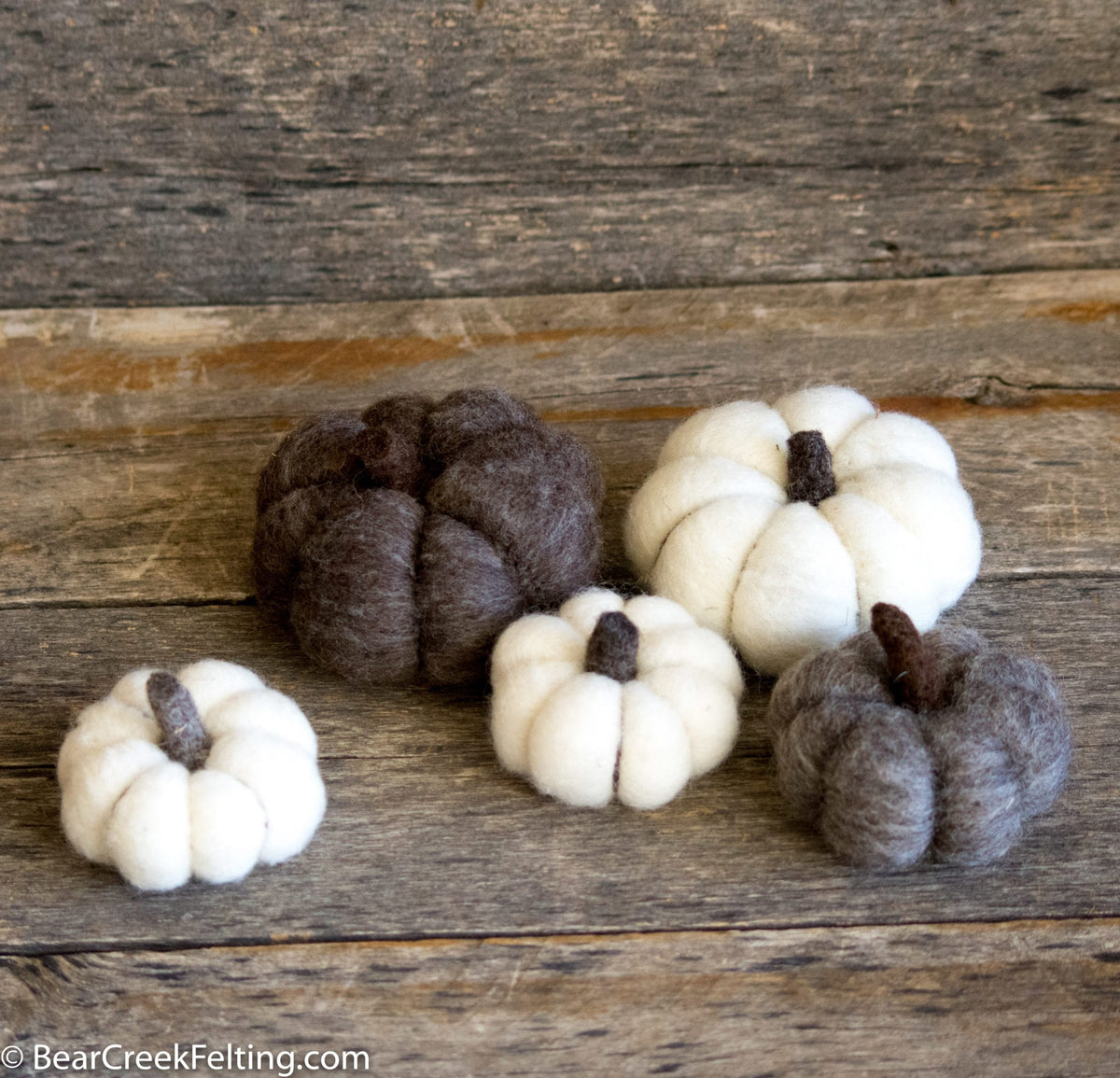
Romney continues to be one of my favorite fibers for needle felting because it has enough body and texture for the barbs of a felting needle to grab easily. It firms up nicely, holds its shape well, and is much more forgiving to work with than many very fine wools.
I love needle felting, but I also enjoy the feeling I get when I provide artisans with quality wool from sheep who are treated with dignity and respect. They’re part of our family, and we work to ensure integrity with the way the animals and wool are handled.
If you’re a beginner trying to figure out how to get started in your crafting journey, you’re in the right place. I love crafting. I love wool. And more than anything, I love sharing my passion with inquisitive crafters just like you!
The Bear Creek Felting Academy is the perfect place to get started. Whether you’ve got a couple of projects under your belt or are struggling to figure out how or where to buy your needle felting tools, you’re right where you’re supposed to be.
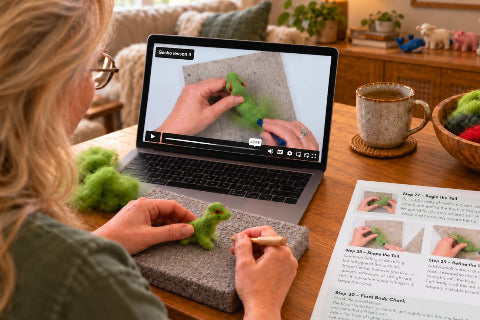
With a supportive community of crafters, a comprehensive video library of techniques, tips, and tricks to help you needle felt, and support & feedback from me, you’ll be on your way to crafting pieces from your wildest dreams. This art has transformed my life. Are you excited to get started? Click here to learn more!