
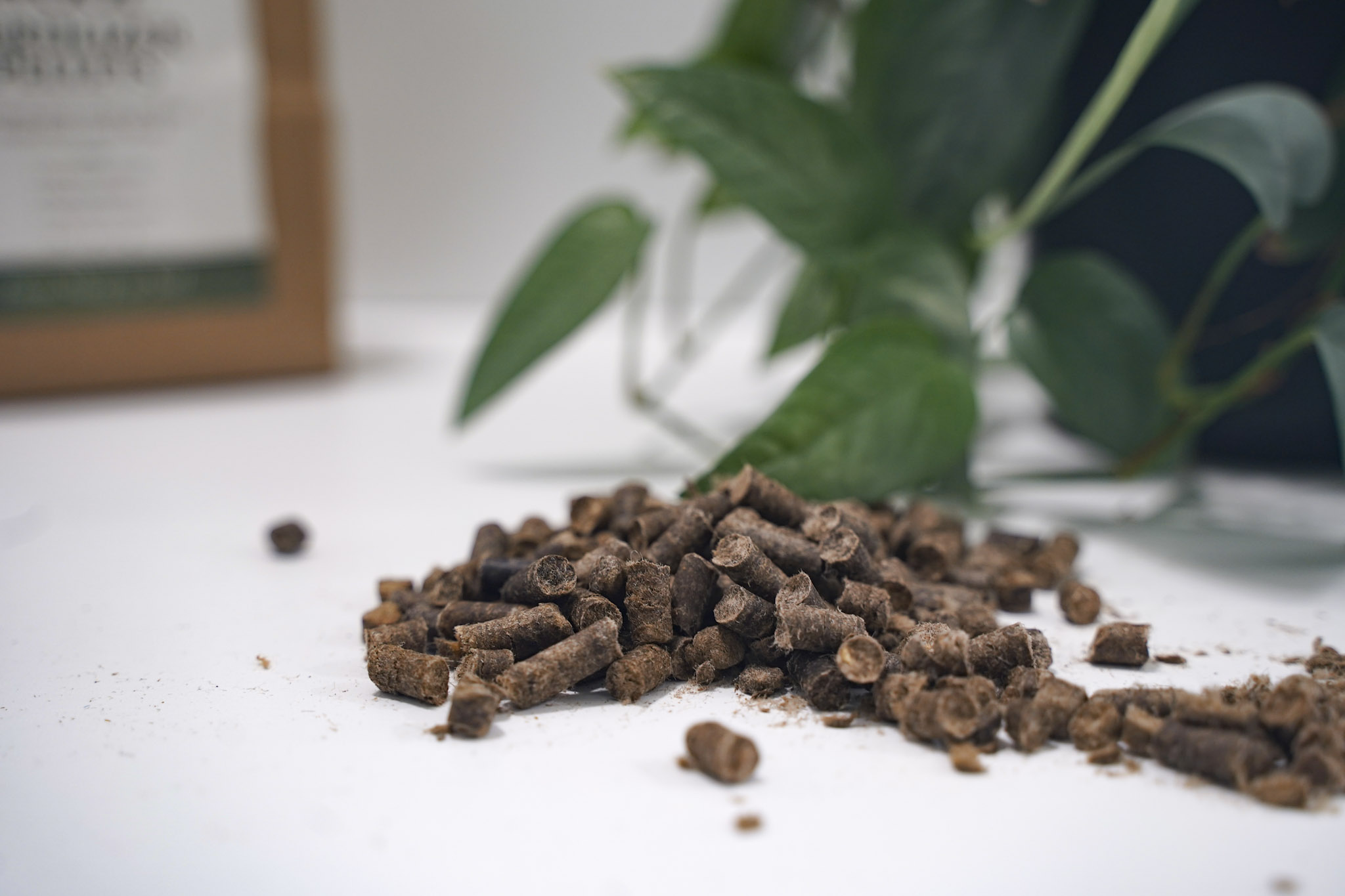
Description
From Our Sheep to Your Soil
These wool fertilizer pellets begin right here on our farm in Fort Ransom, North Dakota, where we raise and care for our flock.
After shearing, wool that isn’t used for felting is repurposed into a natural, slow-release fertilizer — giving it a second life in your garden.
Nothing wasted. Everything valued.
Why Wool?
Wool is naturally rich in nutrients and designed to hold moisture.
As it slowly breaks down, it:
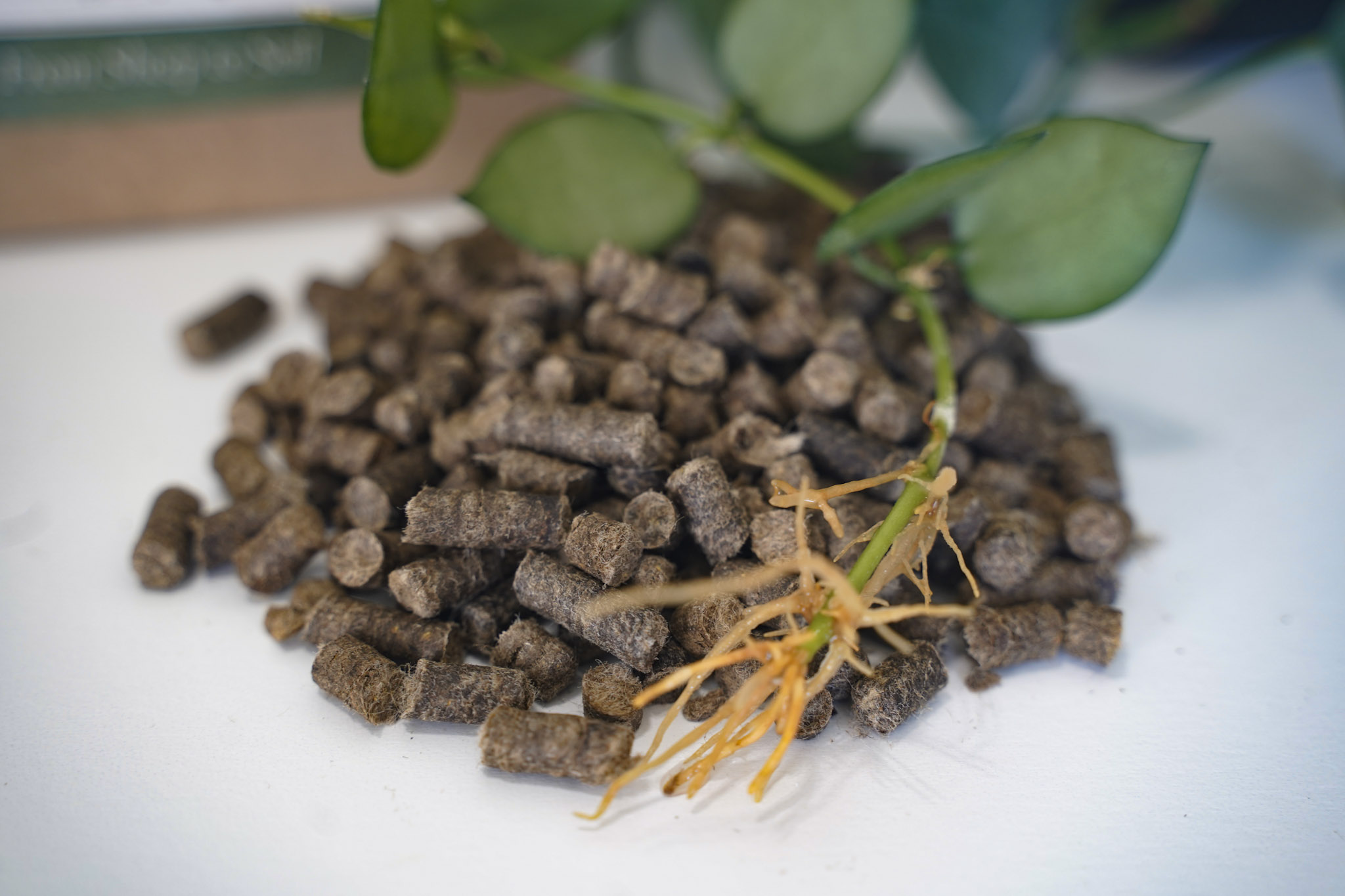
- Feeds your plants over time
- Helps retain moisture in the soil
- Improves soil structure
- Supports healthy root growth
- Naturally deters slugs and snails
Natural Nutrient Content
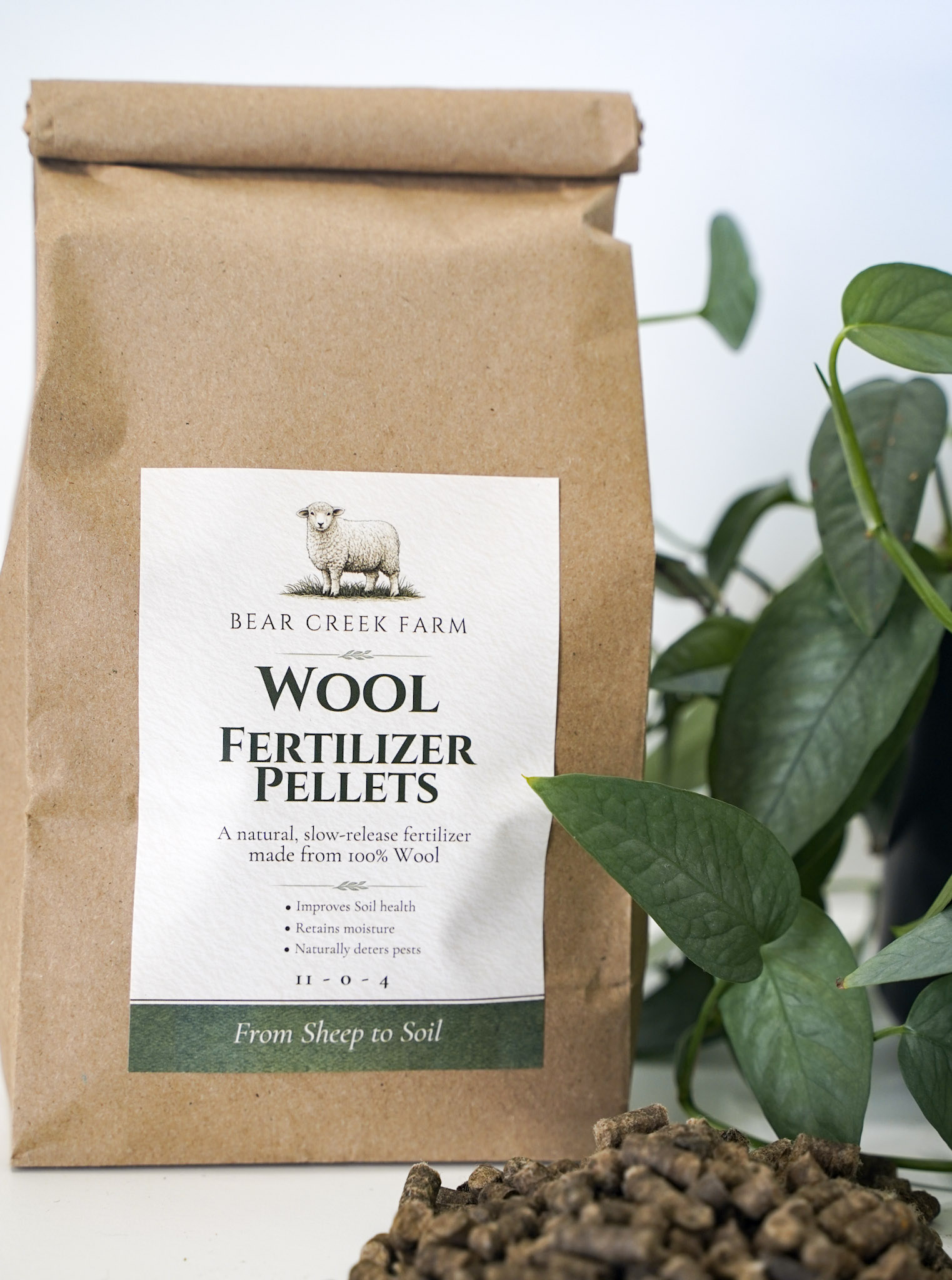
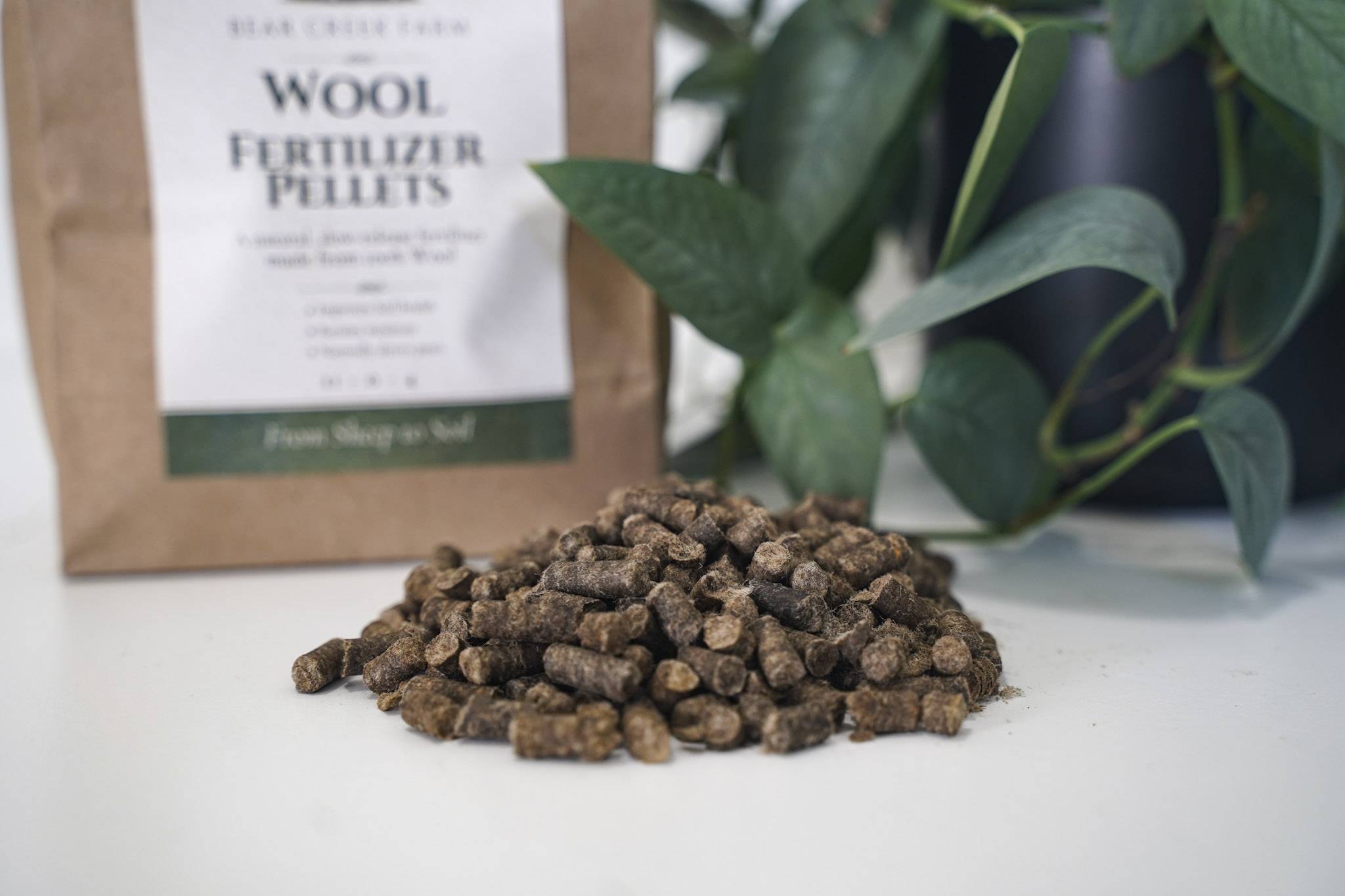
Our wool pellets contain naturally occurring:
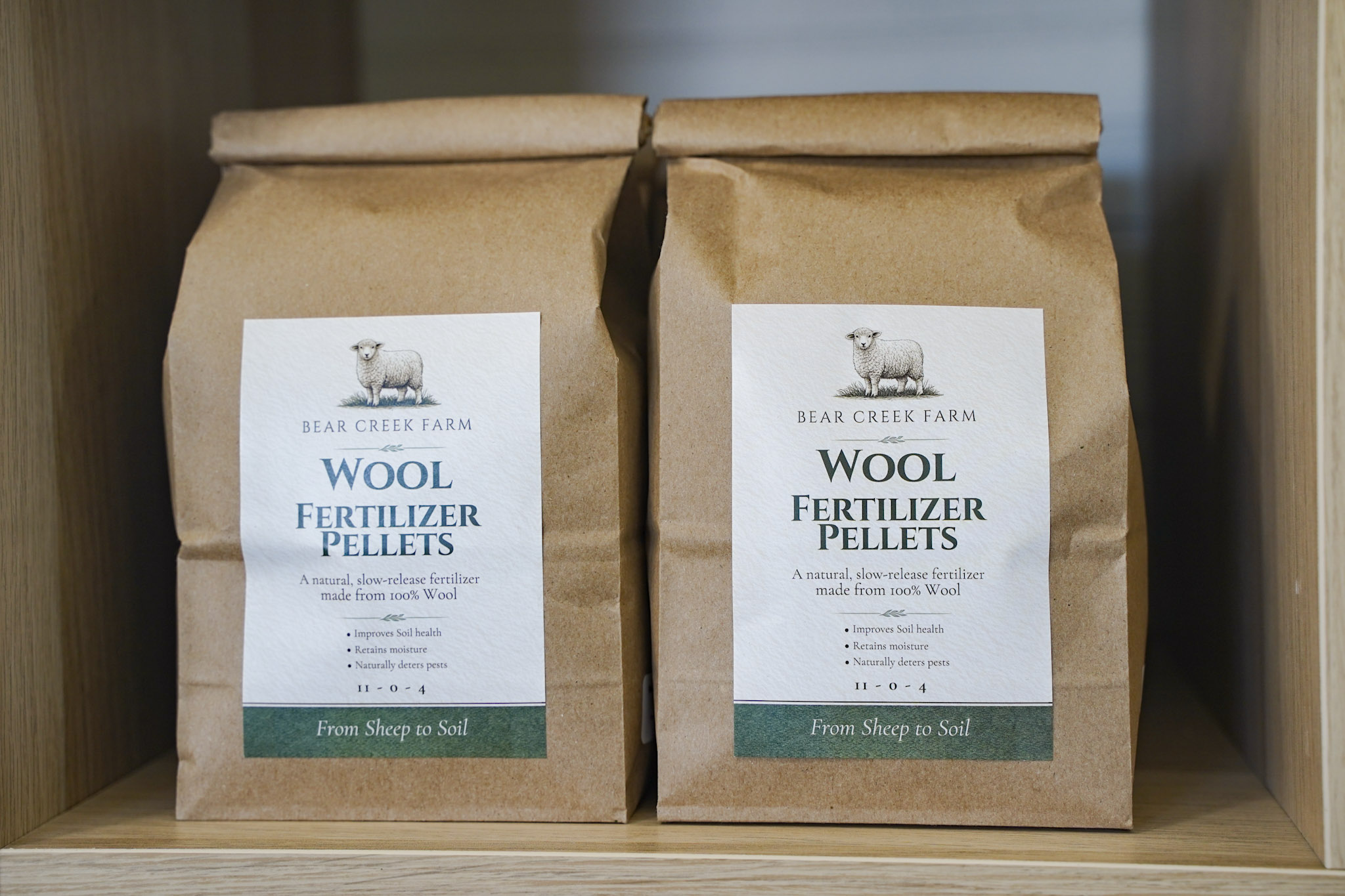
- Nitrogen (N) – 11%
- Phosphorus (P) – 0%
- Potassium (K) – 4%
Also contains sulfur — an important secondary nutrient for plant health.
How to Use
- Sprinkle around existing plants
- Apply along garden rows
- Gently work into soil
Bonus:
Create a light barrier around plants to help deter slugs and snails.
Simple. Sustainable. Effective.
- 100% natural wool
- Slow-release nutrients
- Reduces watering needs
- Improves soil health and yields
- Renewable and chemical-free
Made with Purpose
These pellets are made from wool that would otherwise go unused — turning a natural byproduct into something valuable for your garden.
How Much Wool Pellets to Use
Wool pellets break down slowly and feed your plants over time, so you really don’t need much. The goal is to get them into the soil where roots can benefit from both the nutrients and the moisture they hold.
Planting New Plants or Vegetables
When you’re planting or transplanting:
- Add a small handful of pellets into the planting hole
- Cover lightly with soil
- Set your plant in and fill the rest with soil
This puts everything right where the roots will grow.
Garden Beds
Before planting, mix about 1–2 cups per square foot into your garden soil, focusing on the areas where your plants will be.
Work the pellets into the top few inches so they sit near the root zone. That’s where they’ll hold moisture and slowly release nutrients as your plants need them.
Raised Beds (with existing plants or bulbs)
When prepping beds in the spring:
- Mix ½–1 pound per square yard into the soil
If you already have plants growing:
- Sprinkle pellets around the base
- Gently work them into the top layer of soil
Just be a little careful around bulbs and smaller plants.
Containers & Pots
For containers, mix into your potting soil:
- 1–2 tablespoons for small pots (4–6 inch)
- ¼ cup for medium containers (10–12 inch)
- ½ cup for large planters
Because containers dry out faster, this really helps hold moisture and cuts back on how often you need to water.
Part of our pasture-to-product story — now extending from sheep to soil.


