
A Friendly Guide to Needle Felting
Needle felting is a simple, relaxing craft that uses wool and special barbed needles to create shapes, sculptures, and soft textures. This beginner‑friendly guide walks you through the basics—what tools you need, how to get started, common mistakes to avoid, and how to choose the right first project—so you can begin felting with confidence and enjoy every step of the process.
 I hear it all the time: “Wow, your needle-felted creations look amazing, I wish I could do that!” Well, guess what — you can! It may look complex, but like any art form, it just takes practice and patience. Some of my students are darn near convinced they’re “not creative” … then they produce an adorable or beautiful sculpture! They just needed a little encouragement and guidance.
As the saying goes, knowledge is power. I find that many aspiring fiber artists feel more confident once they get answers to their questions. So, I’ve gathered the questions I hear most about needle felting and answered them below.
Read on to learn the basics of needle felting and hopefully get inspired to start your fiber arts journey.
Table of Contents

Beginner Needle Felting Checklist
- Wool (preferably Romney or another beginner‑friendly fiber)
- Felting needles (36T, 38T, 40T)
- Foam pad or wool mat
- A simple kit to start with
How do you start needle-felting?
Some arts and crafts require tons of expensive supplies to get started. Not needle felting! All you need is a felting needle, cushion, and some wool.
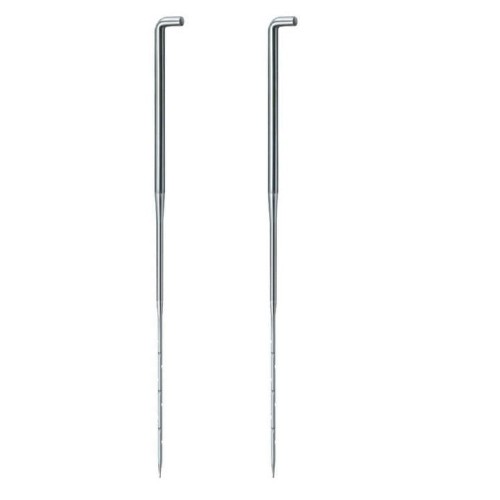
A felting needle has tiny notches along it. The notches come in different patterns, such as “star” or “triangle.” I prefer star 36 needles as they work the best with my wool.
You can buy your felting needles in various gauges, that is, thicknesses. A higher gauge means a thinner needle. In my experience, sizes 36 and 38 are the ones I use the most with my wool.
Wool comes in many different varieties, depending on where it comes from. We use sheep’s wool for needle-felting, but each breed has a distinctive fleece. I find that Romney sheep produce the best wool for felting. It felts quickly and creates a fairly smooth sturdy finish.
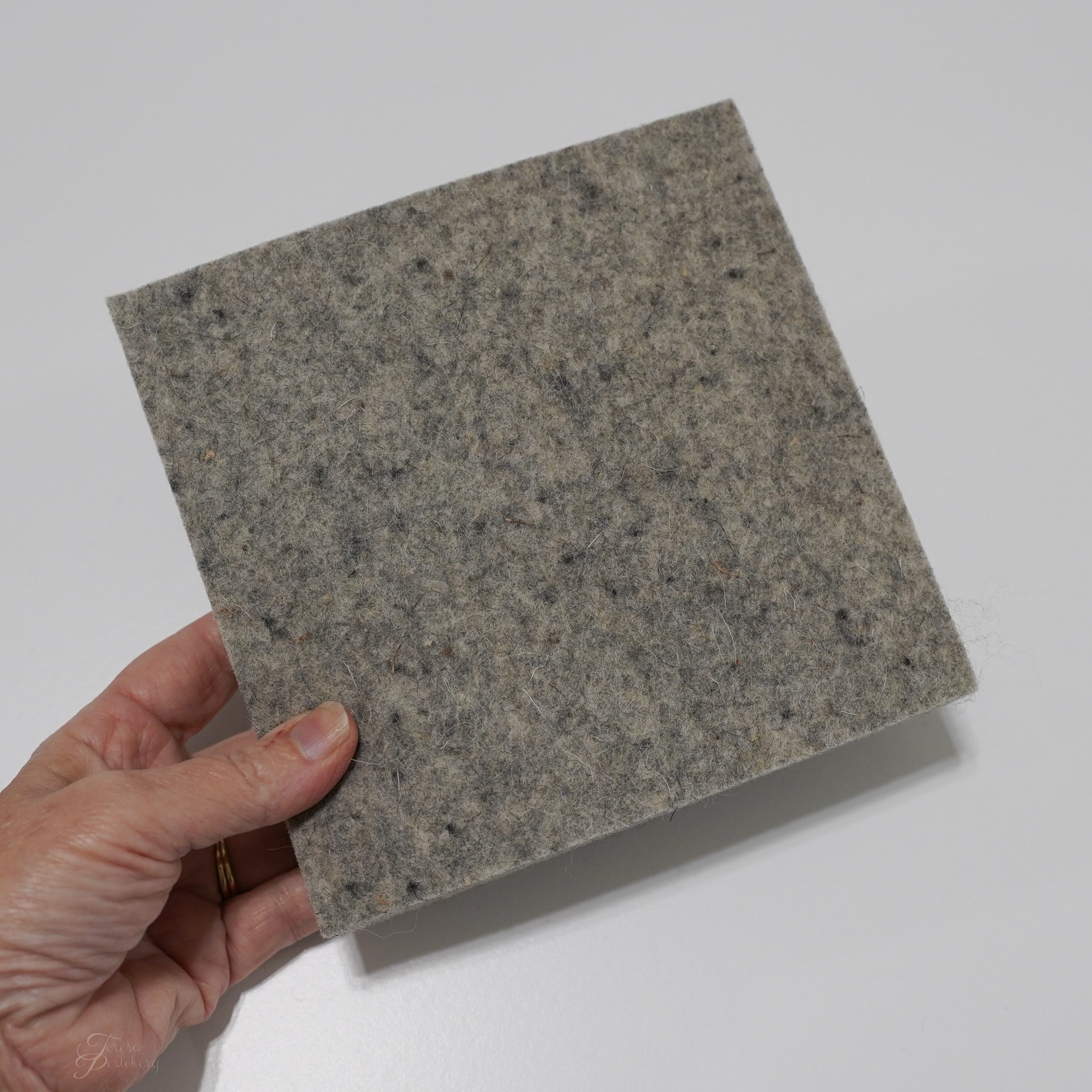
The felting cushion provides a soft surface for you to work on. As I’ll explain in a moment, felting involves stabbing the wool hundreds of times with the needle. You need a durable yet plush cushion for this! My favorite felting cushions are made of felt themselves. Many people use foam, but this not only dulls your needle but is also a petroleum byproduct. Wool needle-felting cushions are better for both your needle and the planet!
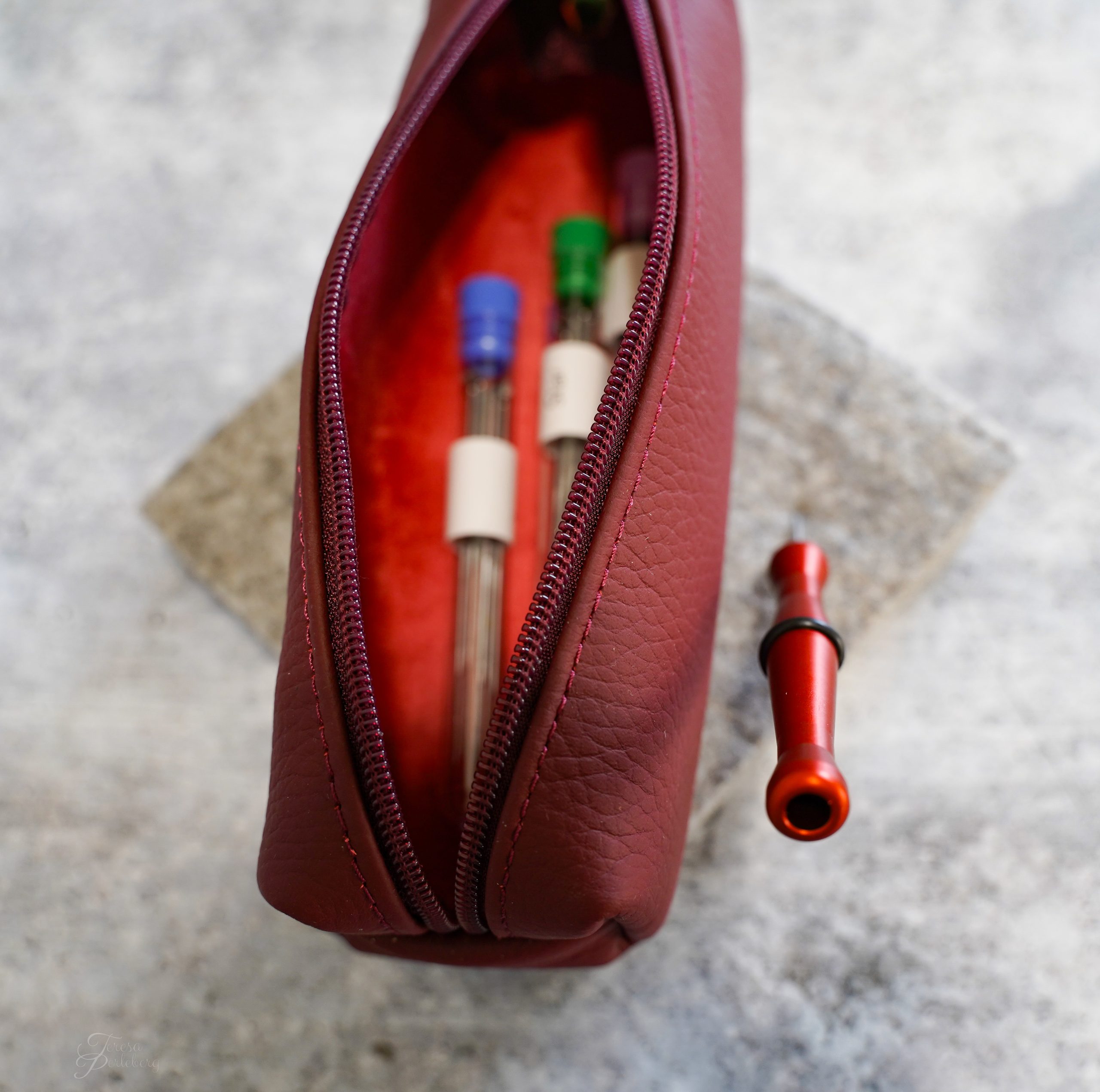
Once you get a bit more experience, you might consider purchasing a multi-needle tool, and other supplies to make needle-felting a bit easier. Some needles have more or fewer notches in different patterns, which will affect the felt’s final texture. Once you expand your needle collection, you’ll probably want a nifty case to carry them in!
To start, though, all you really need is a basic 36 or 38 star needle, a felting cushion, and some wool — ideally in fun colors!
How does needle felting work?
A felting needle is covered in small notches that point downward. As you progressively stab the wool, the barbs catch the wool’s tiny fibers and push them down. They get entangled with the other fibers, eventually forming a dense mass. The more you poke the wool, the firmer it becomes.
Because each fiber is covered in hundreds of microscopic scales, they catch on each other. Felting “locks” them together, creating a firm surface. That’s why needle-felting can be used to make relatively strong sculptures!
You generally start with a basic ball, then build onto the shape to form a head, torso, etc. Then, you use your needle to attach the separate parts before adding your final touches.
What are reverse felting needles?
Standard felting needles have notches that point downward. So when you stab the wool, the fibers get pushed down, but remain in place once you pull out the needle. Reverse felting needles are precisely the opposite. The notches point upward, so once you stab the wool, you catch the fibers and pull them upward.
This lets you create a fluffy or tufted texture, which is perfect for making fuzzy animal sculptures! You can also use this technique to reveal lower layers of color for a spotted or marbled look. I love felting creatures with unusual coats, so what I’ll do is felt the base color with a standard needle and cover it with another color. Then, I’ll use the reverse needle to blend the colors or create shading.
What type of wool should I choose?
There are different schools of thought, but I strongly prefer Romney wool. It’s durable yet soft, so it withstands all that stabbing yet still creates a smooth surface. It felts down pretty densely, even when dry-felting. (Wet-felting is when you moisten the wool before felting. It’s not my favorite, but it has its benefits.) Romney wool is categorized as “semi-lustrous,” so it felts into a firm plush perfect for everything from snowmen to bunnies!
Many people needle-felt with Merino wool. I’ve used this as well, although I prefer it for wet felting. Merino stays a little springier and poofier. It makes a good soft coat for felted creatures such as sheep or kittens. Just keep in mind that it will also stay pliable even after felting. In my opinion, Romney wool is preferable for most dry-felting projects.
When ordering your wool, remember how needle felting works. You’re forcing the fibers to tangle together into a dense mass. So, the overall size of your wool ball will shrink drastically. I find that it usually packs down to about half its original size. Here are some pictures of how much wool I needed compared to the final result.
Samples of How Much Wool Is Needed


Do you need to be a certain age or have experience with knitting or crocheting?
You don’t need any existing fiber arts skills to start needle-felting. In fact, I’d say that needle-felting is easier than knitting or crocheting. It’s also suitable for children — as long as they’re old enough to handle a needle safely! Needle-felting is a good exercise for kids to develop hand-eye coordination and express themselves … and practice the art of patience. 😉 Join the Needle Felting Academy and discover fun family activities!
How to Choose the Right Needle Felting Path as a Beginner
Starting needle felting is exciting, but it can be hard to know where to begin. This simple guide helps you choose the best starting point based on your comfort level, crafting experience, and the kind of project you want to make.
If you’re brand new and feel unsure where to start
Choose: A complete beginner kit
- Includes the right wool, needles, and instructions
- Removes guesswork about materials
- Builds confidence with a simple, structured project
Best for: “I’ve never done this before, and I want something foolproof.”
If you’re creative but new to wool crafts
Choose: A small, simple project (like a pumpkin, heart, or ornament)
- Quick wins help you learn shaping and firmness
- Low pressure, low cost, high satisfaction
Best for: “I want to try it, but I don’t want to commit to something big yet.”
If you’ve done other fiber arts (knitting, crochet, spinning)
Choose: A beginner animal kit
- You already understand fiber behavior
- Animal kits teach shaping, layering, and detail work
- Great next step if you enjoy learning technique
Best for: “I’m comfortable with wool and want to learn sculpting.”
If you want to learn the right techniques from the start
Choose: Guided instruction (videos, tutorials, or the Needle Felting Academy)
- Helps you avoid early mistakes
- Teaches proper needle use, shaping, and finishing
- Builds skills faster and with less frustration
Best for: “I want to learn this well and grow my skills over time.”
If you’re on a budget or want to test the waters
Choose: A small amount of core wool + a basic needle set
- Lets you experiment without a big investment
- Perfect for practicing firmness and shaping
Best for: “I want to try it before I buy a full kit.”
If you want to make realistic animals someday
Choose: A structured beginner animal kit or Academy lessons
- Teaches proportion, layering, and detail
- Builds the foundation for more advanced sculptures
Best for: “I want to make the adorable animals I see online.”
If you want a relaxing, no‑pressure hobby
Choose: Simple shapes and seasonal projects
- Easy, repetitive, and calming
- Great for unwinding or crafting with kids
Best for: “I want something peaceful and fun.”
Still not sure where to begin?
Start with a beginner kit — it’s the easiest, most frustration‑free way to learn. You’ll get the right wool, the right needles, and step‑by‑step guidance so you can enjoy the process from the very first poke.
Common Mistakes to Avoid
- Using the wrong type of wool
Craft-store wool or superwash fibers can be slippery and frustrating for beginners. Choose a beginner‑friendly wool like Romney or a curated kit so your first project feels smooth and enjoyable. - Starting with a project that’s too advanced
Jumping straight into a detailed animal or complex shape can lead to discouragement. Begin with a simple kit or small ornament to build confidence and technique. - Felting too aggressively
Stabbing too hard or too fast can break needles and distort your shape. Slow, controlled pokes give you better results and fewer broken tools. - Not using core wool
Skipping core wool makes projects take longer and use more expensive colored wool. A firm core gives your sculpture structure and saves materials. - Ignoring needle sizes
Using one needle for everything can make felting harder than it needs to be. Coarser needles shape quickly; finer needles smooth and refine. - Felting on the wrong surface
Working without a proper mat can damage your needles and your table. A foam pad or wool mat protects both your tools and your hands. - Not securing shapes before adding details
Adding eyes, ears, or color patches too early can cause them to shift or fall off. Firm up your base shape first, then layer in details. - Expecting perfection right away
Needle felting is a skill that grows with practice. Your first project doesn’t need to look like the photos — it just needs to teach your hands what the wool feels like.
Avoiding these common mistakes makes needle felting feel more enjoyable, less frustrating, and much more rewarding. With the right wool, tools, and a simple first project, you’ll be surprised at how quickly your confidence grows. And if you ever want step‑by‑step guidance or curated beginner supplies, Bear Creek Felting is always here to help you get started with joy and ease.
Key Takeaways:
- Minimal Starter Supplies: To begin needle felting, you’ll need just a felting needle, a cushion, and some wool. Felting needles come in various gauges and shapes; sizes 36 and 38 star needles are good choices. A wool felting cushion is recommended over foam for durability and environmental reasons.
- Felting Process: Needle felting involves repeatedly stabbing wool with a notched needle, which entangles the fibers to form a dense material. Starting with a basic shape, you can build and attach different parts to create detailed sculptures.
- Wool Selection: The type of wool affects the felting process and outcome. Romney sheep wool is highlighted for its quick felting properties and smooth finish, making it ideal for beginners.
- Reverse Felting Needles: These needles have upward-facing notches that pull fibers outward, creating a fluffy texture. They’re useful for adding features like fuzzy animal fur or revealing underlying colors.
- Practice and Patience: Needle felting is an art form that requires time and dedication. With practice, even those who consider themselves “not creative” can produce impressive sculptures.
Choosing the right place to start makes needle felting feel exciting instead of overwhelming. Whether you begin with a simple shape, a complete beginner kit, or guided instruction, each small step helps your hands learn the feel of the wool and builds your confidence as a maker. With the right tools and a project that matches your comfort level, you’ll be surprised at how quickly your skills grow. And if you ever want curated supplies, step‑by‑step support, or a welcoming community of fellow felters, Bear Creek Felting is always here to help you enjoy the journey from your very first poke./p>
Have more questions? I have more answers, here!
Mini Glossary for Beginners
Roving
Long, continuous wool fibers that have been carded but not yet spun. Often used for surface details or color layers.
Felting Needle
A barbed needle that tangles wool fibers together as you poke. Different gauges (sizes) shape, refine, or smooth the wool.
Needle Gauge
The thickness of a felting needle. Lower numbers (36) are coarser and shape quickly; higher numbers (38–40) refine and smooth.
Wool Mat or Felting Surface
A foam pad or wool mat placed under your project to protect your needles and your table while you work.
Stabbing Technique
The controlled, repeated poking motion used to compact and shape wool. Slow, straight pokes prevent needle breakage.
Other Articles you may enjoy:
Learn to Needle Felt the Easy Way!


Join the Bear Creek Needle Felting Academy today!
